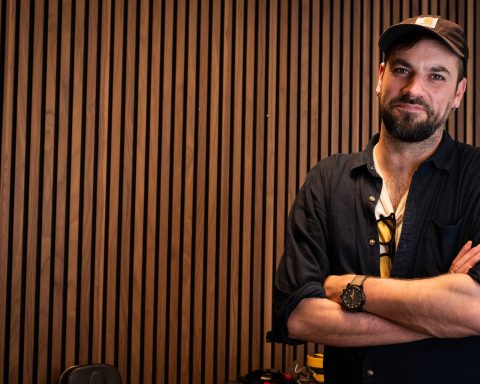


From The Cure’s shimmering hooks to the raw power of Dinosaur Jr., Mattias Johansson has looked after some of the most iconic live rigs in modern music. An in-demand guitar tech and tour manager for over two decades, Johansson’s diverse résumé includes the likes of LCD Soundsystem, The Black Crowes, and Doyle Bramhall II. Renowned across the touring world for his technical prowess and steady professionalism, he’s one of the most trusted figures in the live music industry—and has countless stories from the road to share.
A Musician’s Ear
Johansson got his start in Brighton’s grassroots venues, quickly establishing himself in the city’s thriving music scene. His first major break came with Dinosaur Jr., a band he calls his “first big tour family,” which led to long-term work with Lou Barlow’s Sebadoh.
From there, he became a go-to tech and tour manager for artists who demand both musical intuition and technical skill. Over the years, he has navigated stage equipment as diverse as Robert Smith’s all-BOSS pedalboards, Doyle Bramhall II’s gear for Eric Clapton, and LCD Soundsystem’s intricate chains.
Throughout every tour and festival, Johansson has combined practical know-how with a musician’s ear, ensuring performances go to plan while adapting to the unique needs of each artist.
Brighton Early
Where did your career in live music begin?
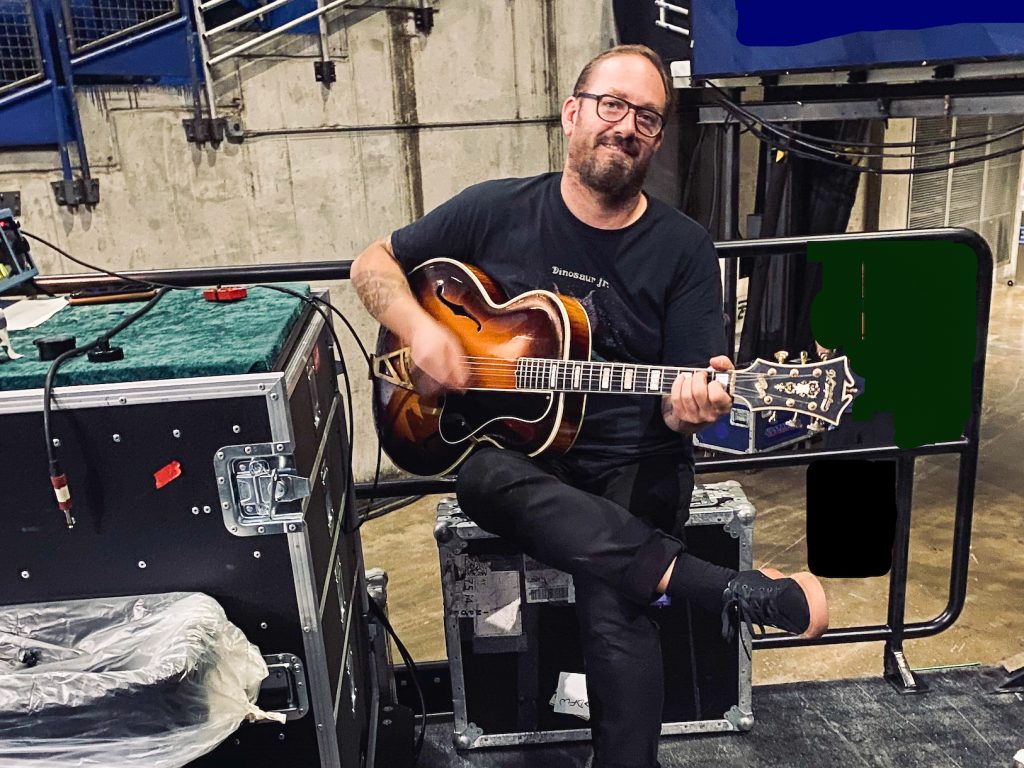
I’m from Sweden, but I studied in the UK and lived in Brighton for many years. About 20 years ago, I had a full-time job and was also crewing at the same time, mainly at the Brighton Centre and other venues in the area. And even though I was working a full-time job, I found myself naturally gravitating towards live music and the industry people around it.
Whilst working at the Brighton Centre, I met a tour manager who told me there was plenty of work available if I wanted to do it full-time. He had an artist who was going to Denmark for a world music festival, and he said, “You could tour manage this.” So I said, “Okay.” Looking back, I learned a million hard lessons. The band must have thought, “Who is this guy?”
I wasn’t totally green, because I often took on a kind of road manager role in the bands I played in. I would help book gigs, drive, and make sure we got paid. I naturally gravitated towards the organizational part of gigging. Over time, I took on more and more work. And once I bought a van and some backline, I became much more flexible; I was able to take on more jobs.
“Whilst working at the Brighton Centre, I met a tour manager who told me there was plenty of work available if I wanted to do it full-time.”
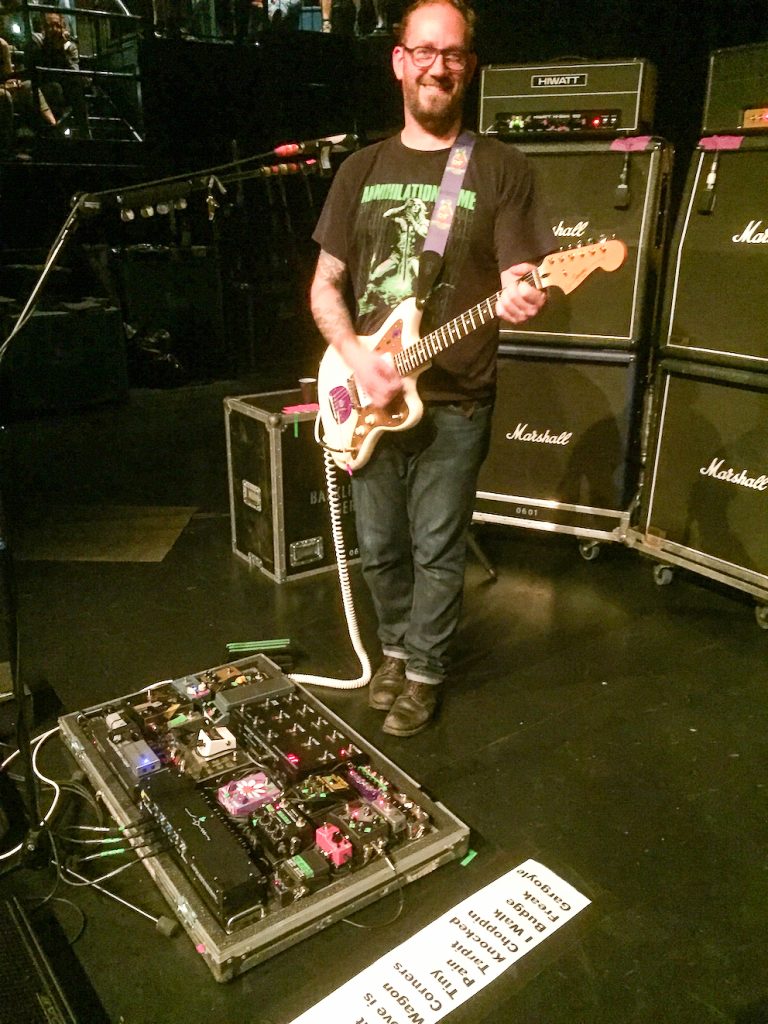
Dinosaur Jr.
How did your major break come about?
I had a connection with a sound engineer who had previously worked with Dinosaur Jr., who were doing a tour. This was when they did the reunion in 2005. I ended up driving their gear and got to know them all.
By the time the following tour came up, the regular guitar tech had decided to stay at home in his studio (Sonelab) in Massachusetts. At that point, J Mascis asked me to do guitars.
That was the beginning of a long relationship working as a guitar tech for Dinosaur Jr. Through my connection with Dinosaur Jr., I became the tour manager for Lou Barlow’s band, Sebadoh, for many years.
“The regular guitar tech had decided to stay at home. At that point, J Mascis asked me to do guitars.”
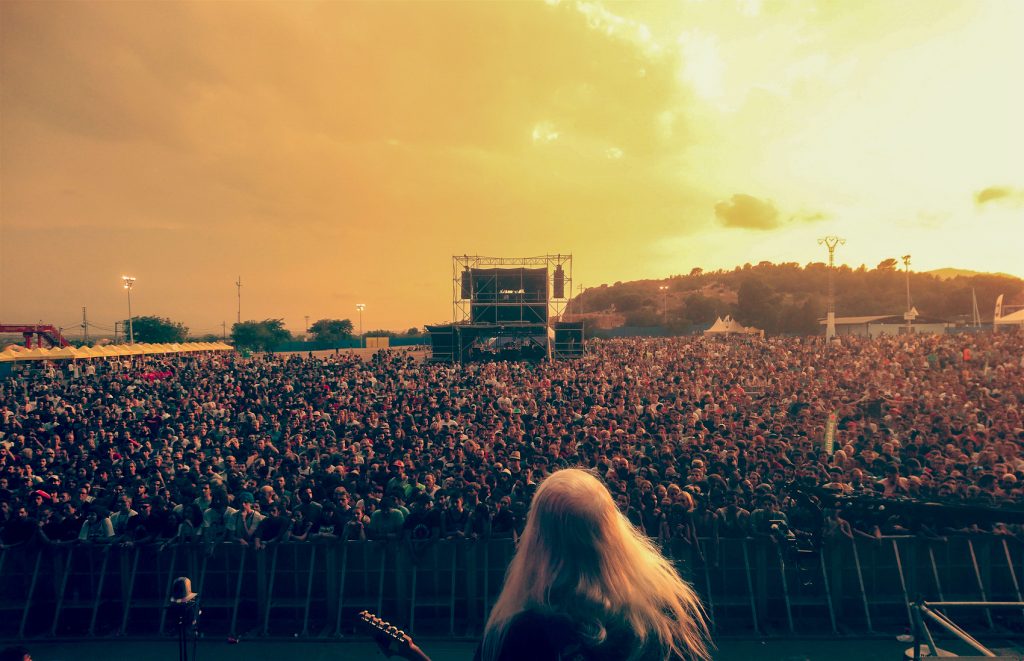
I reconnected with Dinosaur Jr. earlier this year to do the Azkena Rock Festival in the Basque Country. It was the first time in some years that I’d worked with them again. Dinosaur Jr. was my first big tour family, and it was great seeing them again!
BOSS Mode
What makes BOSS pedals such a staple in both live and studio setups?
You realize, even as the tours get longer and bigger, that BOSS pedals are everywhere, regardless of what level you’re at. You always see BOSS pedals on tour and in the studio. And that’s undoubtedly also true with J Mascis. If it does the job he wants it to, he’s into it. He’s very pragmatic as a player and as a traveler.
Despite the amount of gear J uses, it was always set up to be as intuitive and uncomplicated as possible. I’m always curious if someone has a new, interesting pedal on their board, but I always come back to the simplicity of use, and BOSS pedals are great in that sense.
“BOSS pedals are everywhere, regardless of what level you’re at. You always see BOSS pedals on tour and in the studio.”
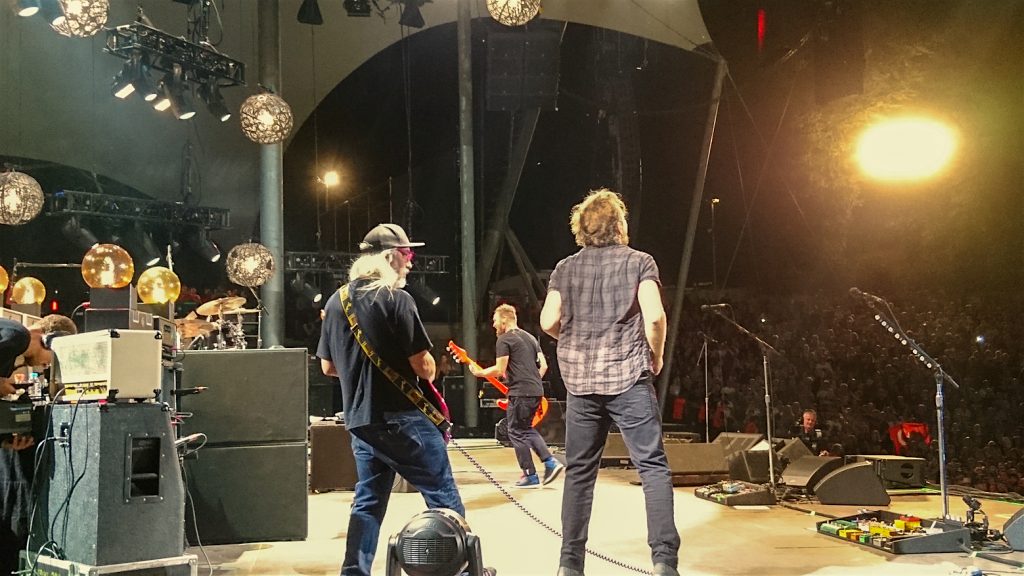
The Chromatic Tuner pedals are standard, and J Mascis is a fan of the TU-3S mini tuners; he has used them in his main rig and the small fly pedalboard we used. As far as I know, the RV-5 Digital Reverb pedal is still a permanent fixture on his board.
Life After Death Metal
Sweden has always had a unique and influential music scene. How did growing up there shape your approach to tone and sound?
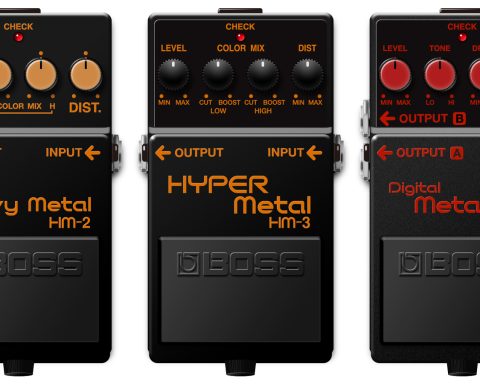
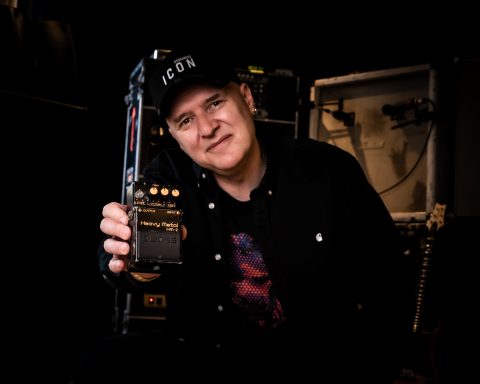
Growing up in Sweden, I was always aware of the HM-2 Heavy Metal. I remember seeing Entombed in the early days, and when one of my friends got his hands on an HM-2, it made sense.
“The Swedish death metal sound was monumental to me and my friends when we were growing up... The HM-2 definitely had a massive impact on us.”
We read in a magazine that to achieve the signature Swedish death metal sound, the HM-2’s controls were set to their maximum or “dimed” position. You could stick it into a Peavey Bandit amp and immediately sound like Entombed. There’s some magic to that (though so much more than just that, of course).
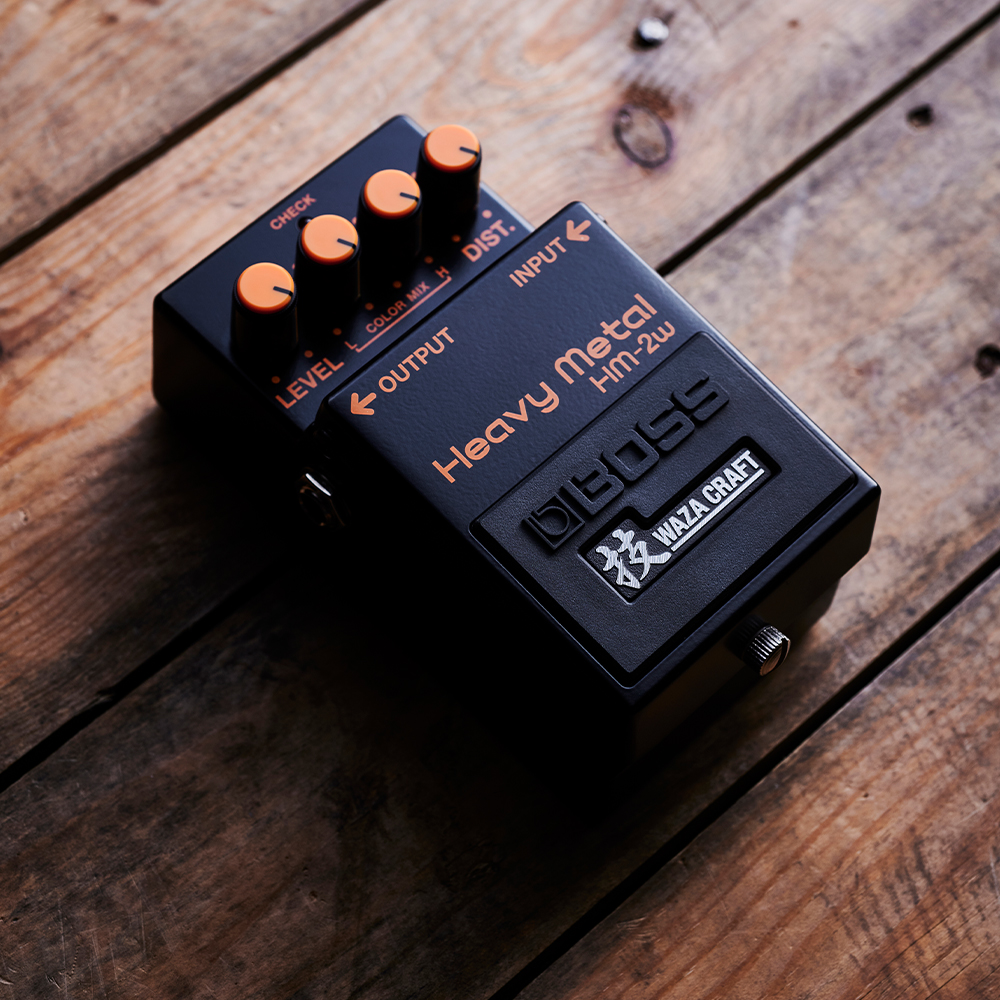
The Swedish death metal sound was monumental to me and my friends when we were growing up. Being able to sound somewhat like the record with just an Aria Pro II, a dimed HM-2, and a Peavey Bandit was a revelation to us. We were blown away that it could be that simple (well, it seemed simple to us as youngsters!) The HM-2 definitely had a massive impact on us.
LCD Soundsystem
LCD Soundsystem’s rigs are famously complex. What was it like working with them?
From 2007, I spent about a year and a half touring with LCD Soundsystem on their second record, Sound of Silver. They used a lot of GE-7 Equalizers, I seem to remember. Only Nancy Whang knew how her pedal/sampler board worked. It was enormous! LCD Soundsystem had a ton of things plugged in and very long chains.

All of LCD Soundsystem were very technically minded, being a touring band as well as studio engineers. So, working for them was more like being a support role to musicians who were also techs. It was a fantastic time to be around—so many gadgets I hadn’t worked with before.
“Working for LCD Soundsystem was more like being a support role to musicians who were also techs.”
One time, the keyboard stand that was holding Nancy’s giant sampler/pedal board collapsed. It crashed on the floor, and the pedals bounced about a foot in the air, landing in a tangled mess. I ran on stage to help, and she just said, “It’s fine. Can you hold the board, and I’ll sort it out.” There was just a short break while she arranged it back to normal, then the show continued.
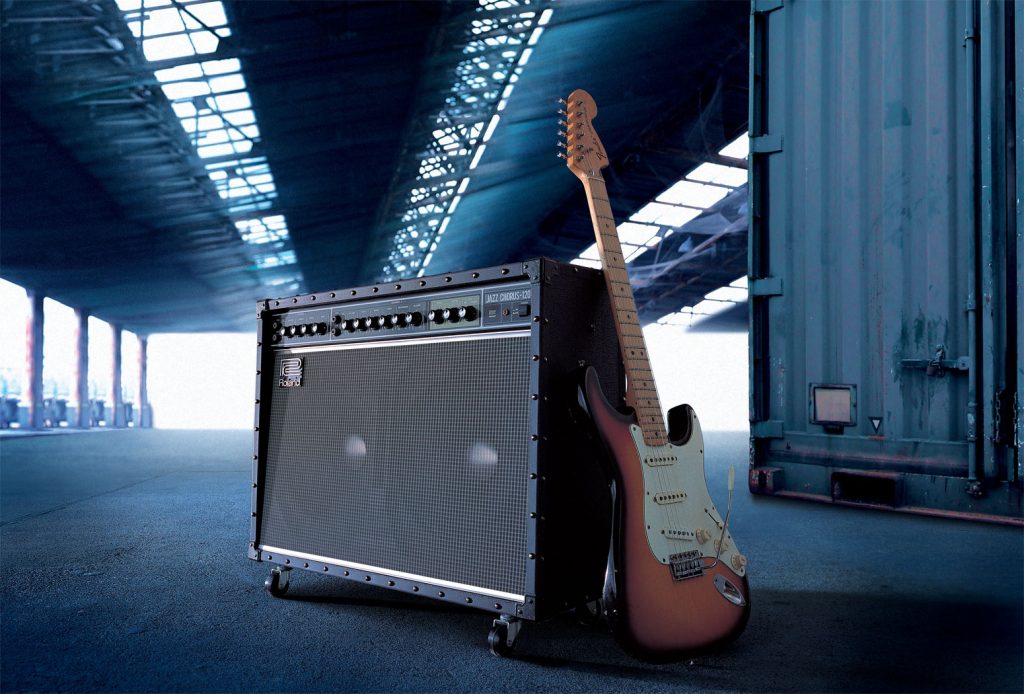
There were numerous Roland JC-120 Jazz Chorus amps on the LCD Soundsystem tour I was on. One was used for a bass guitar hammering out chords, and the JC-120 sounded brilliant doing that.
The Black Crowes
How did you get involved with The Black Crowes?
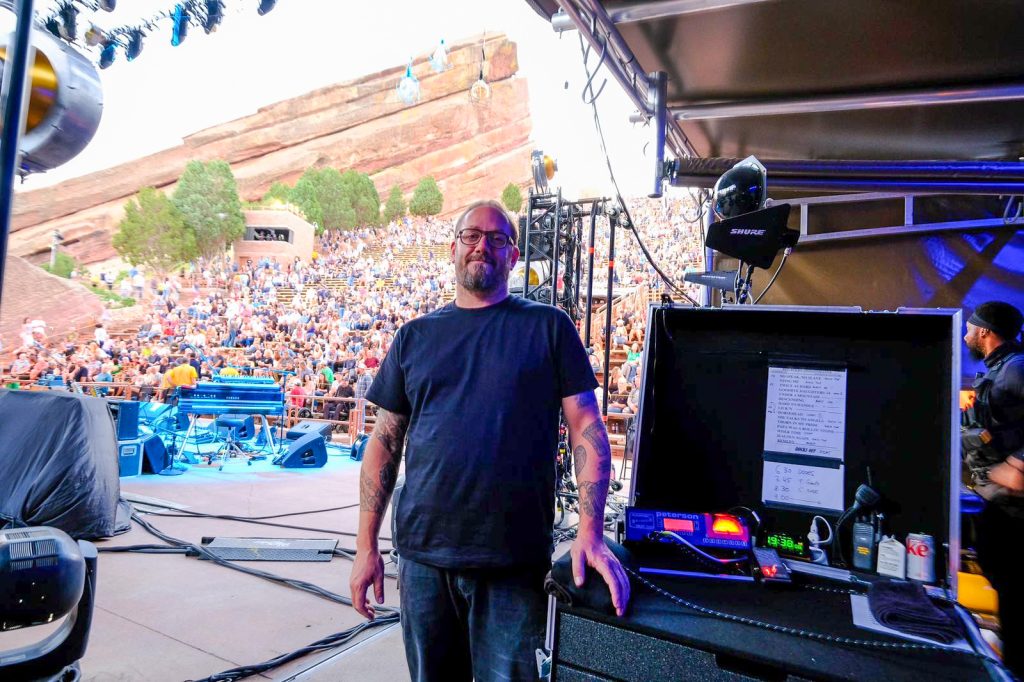
Back in 2011, I was asked to drive backline gear for Rich Robinson’s solo tour. Closer to the tour start, his guitar tech in the US said they could not make the trip to Europe, and one of the other crew members mentioned that I had done guitars for Dinosaur Jr. So at the very last minute, I went from van driver to guitar tech.
We started in Barcelona, and Rich and I hit it off immediately. He liked how I worked, and we became good mates. Again, it was an enormous learning curve. He was travelling with about half a dozen guitars (far less than what he would usually travel with) and using multiple tunings. It was the busiest guitar gig that I’d ever done up to that point, by a long shot. But it was rewarding.
“I was asked to drive backline gear for Rich Robinson’s solo tour... At the very last minute, I went from van driver to guitar tech.”
How did your relationship with Rich Robinson evolve after that first tour, and what was it like working with him on The Black Crowes?
Rich Robinson was very patient. He obviously knew it wasn’t The Black Crowes, and there weren’t as many guitars, as much gear, or crew, and we were traveling in vans. I guess he thought I did a good job, as I’ve worked with Rich on and off ever since (solo and in The Black Crowes). I’ve jumped in on The Black Crowes in recent years when they needed someone, and it’s always nice seeing him.
Doyle Bramhall II
What led to your role working with Doyle Bramhall II?
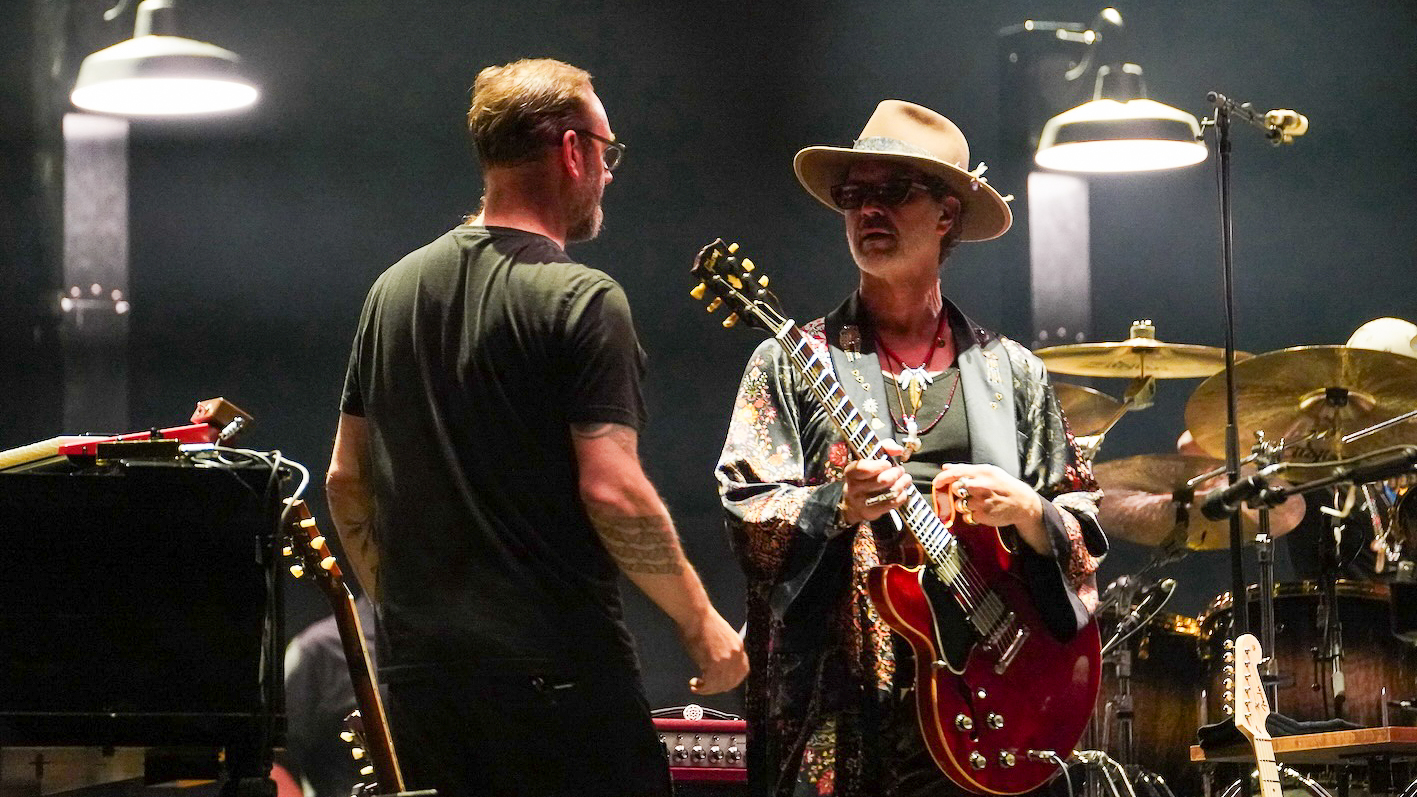
I got involved with Doyle Bramhall II through Rich Robinson. They had performed together at the Mahindra Blues Festival in Mumbai in 2015. Rich called me and told me that they were doing a show together in London at the Shepherd’s Bush Empire on the way back.
“I got involved with Doyle Bramhall II through Rich Robinson... I started guitar teching for him.”
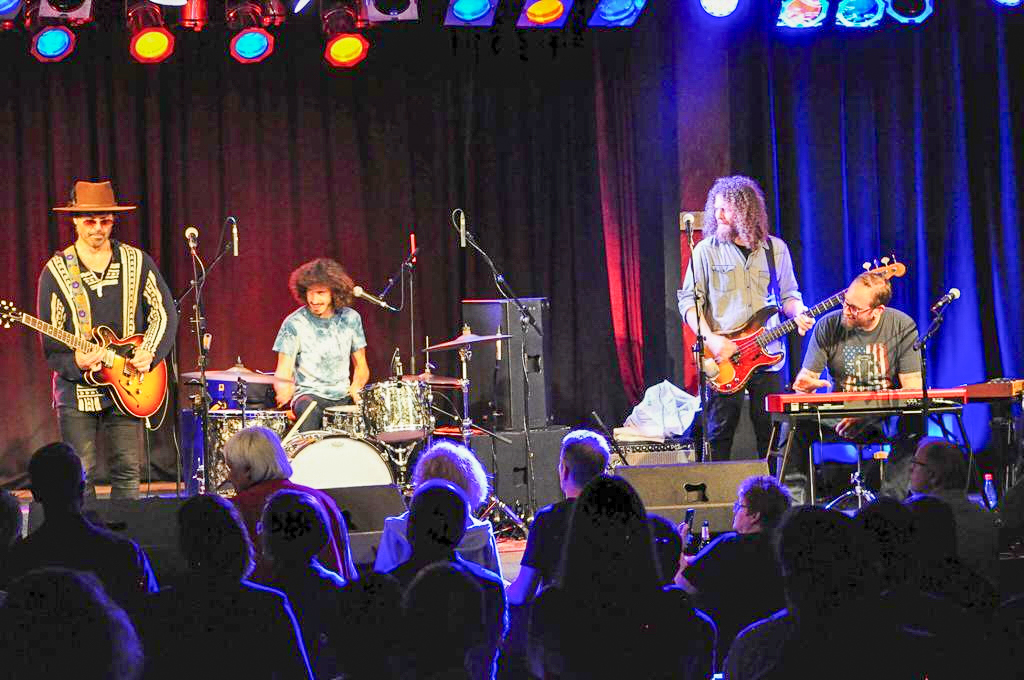
It was billed as a Doyle Bramhall II show, with Rich Robinson as a special guest, along with his band: Ted Pecchio on bass, Joe Magistro on drums, and Matt Slocum on keys. Rich said it would be an easy gig with just a few guitars and asked if I’d tech for both of them.
However, a gig with Rich Robinson and Doyle Bramhall II is a big deal, so we had people from Fender, Gibson, and D’Addario visiting throughout the day, dropping off guitars and gear. All of a sudden, it became an intense show to work on.
Shortly after that, Doyle Bramhall II called me up. He was touring with a trio, and I started guitar teching for him. We did that for a year and a half, which was a great experience.
“We flip-flopped between Doyle’s solo tours and Eric Clapton’s arena gigs.”
Eric Clapton
How did that transition into the Eric Clapton gig?
Along the way, Doyle mentioned he was going to rejoin Eric Clapton’s band. From early 2018, we flip-flopped between Doyle’s solo tours and Clapton’s arena gigs. That has since become the longest ongoing gig that I do—ten years with Doyle, and eight years with him back in Clapton’s band.
How does Doyle Bramhall II use BOSS pedals?
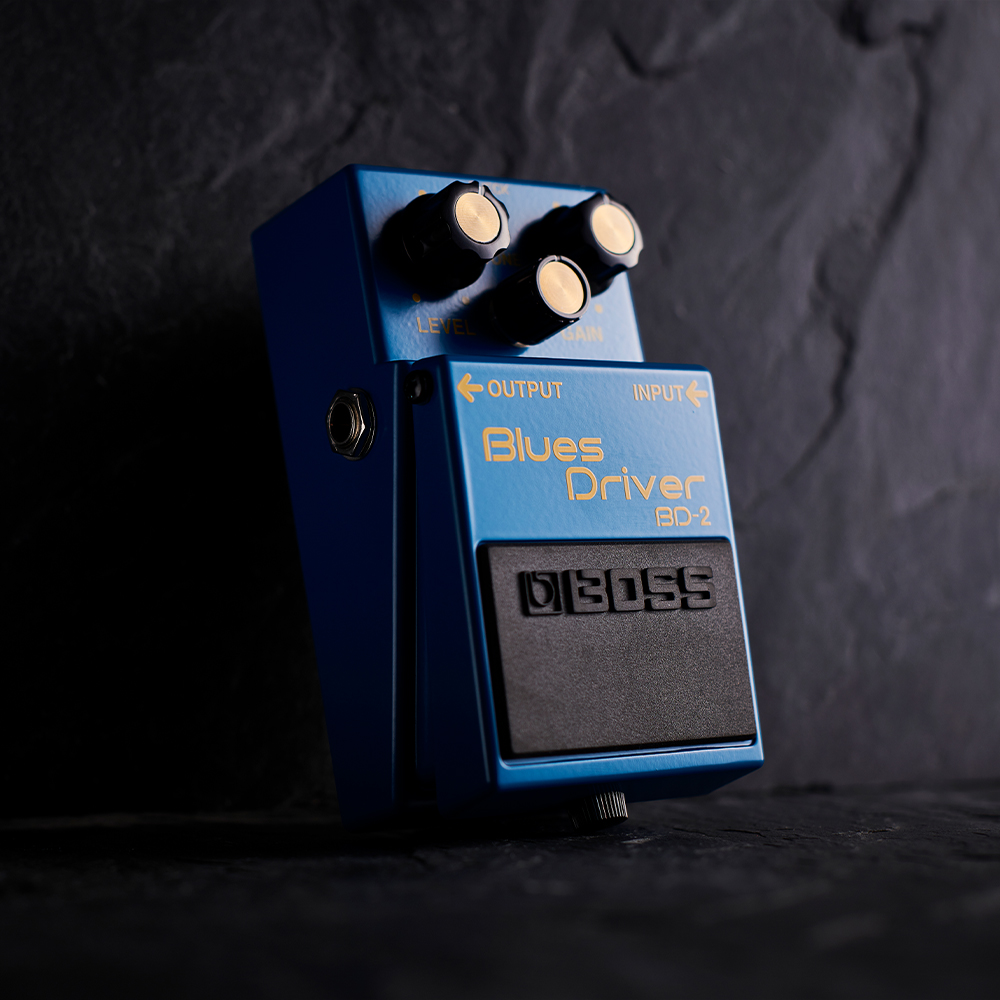
Doyle uses BOSS pedals for playing harmonica, among other things. I put a little board together that included the BD-2 Blues Driver and a DD-3 Digital Delay. It was perfect. We started using that with the Clapton acoustic set—blues harp with a bullet mic. That sounded great.
“Doyle uses BOSS pedals for playing harmonica, among other things.”


Were the BD-2 and DD-3 always the first choice for Doyle Bramhall II’s blues harp rig?
It was a last-minute decision. He said he needed some kind of delay together with a BD-2, so I got those, set the board up, and he really liked it. The DD-3 was set for a little slapback. The BD-2 wasn’t driving very hard, but enough to give a little oomph—some boost and presence.
What other BOSS pedals does Doyle Bramhall II use?
Doyle uses a CS-3 Compression Sustainer in addition to his main pedalboard for some of his slide playing during the Clapton acoustic set. It’s helps tame spikes and keep good sustain. That part of the set is not particularly loud, so it’s essential to maintain a consistent sound—particularly since Eric was playing acoustic, just miked up.
“Doyle uses a CS-3 Compression Sustainer in addition to his main pedalboard for some of his slide playing during the Clapton acoustic set.”
BOSS Essentials
Are there any BOSS pedals you couldn’t do without as a guitar tech?
Obviously, I have a couple of Chromatic Tuners (the TU-2 and TU-3) at hand. I also have an old CS-2 Compression Sustainer. I think I originally got the CS-2 because I saw in a magazine that David Gilmour used one.
I also carry a BD-2 Blues Driver, which is helpful for various practical reasons. Say if I’m going to a radio station to do a live session, the BD-2 might come in handy for quick tone adjustments using a different amp.
“Along with the HM-2, the DD-3 was a gateway pedal for me.”
I’ll always have batteries fitted so I can quickly slot them in without needing to hook up extra power supplies. It seems that most people I’ve worked with have found the Blues Driver helpful at some point.
At home, there’s also a DD-3 Digital Delay on hand. Along with the HM-2, that was a gateway pedal for me. Listening to David Gilmour and Pink Floyd, who used a lot of delay, had a profound impact.
As a teenager, the DD-3 was accessible because it wasn’t too expensive. It was a monumental moment when it came to experimenting with guitars.
The Cure
How did you end up working with The Cure?
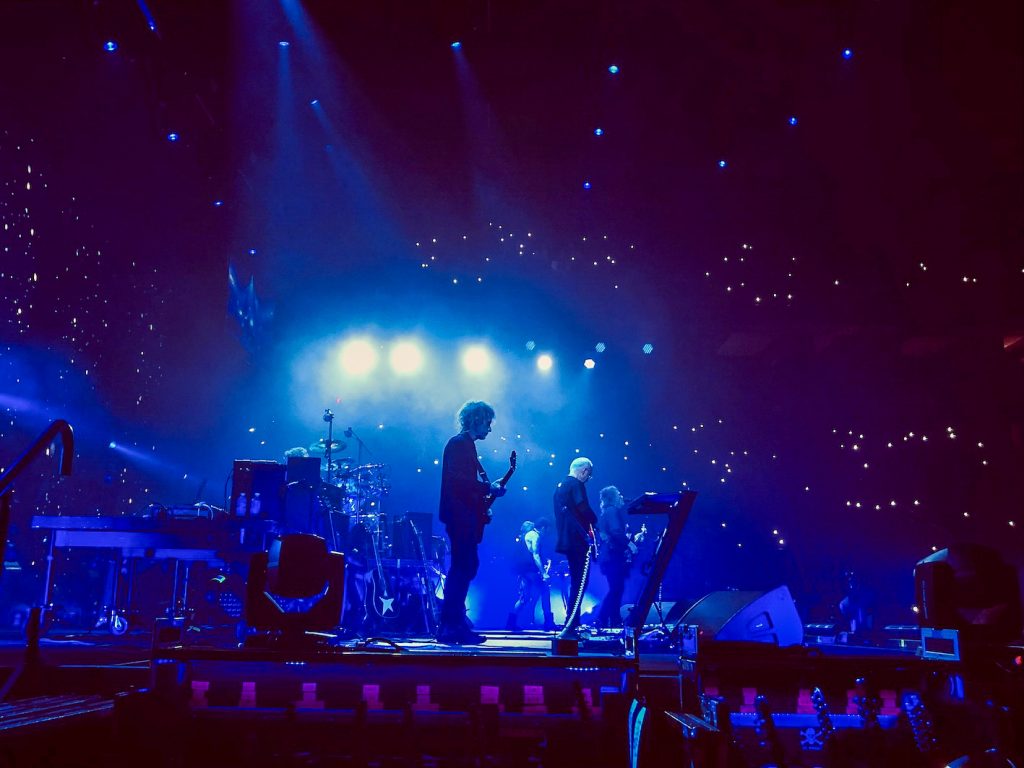
In early 2023, The Cure needed a new crew member because Robert Smith’s tech at the time was taking on a different position on stage, looking after another musician. I was recommended to Robert, who contacted me directly and asked if I would like to come along for 2023 and look after his guitars, amps, and pedals. There were rehearsals, followed by a long trip in North America between May and July 2023, and a South America trip later that year.
“I was recommended to Robert Smith, who contacted me directly and asked if I would like to look after his guitars, amps, and pedals.”
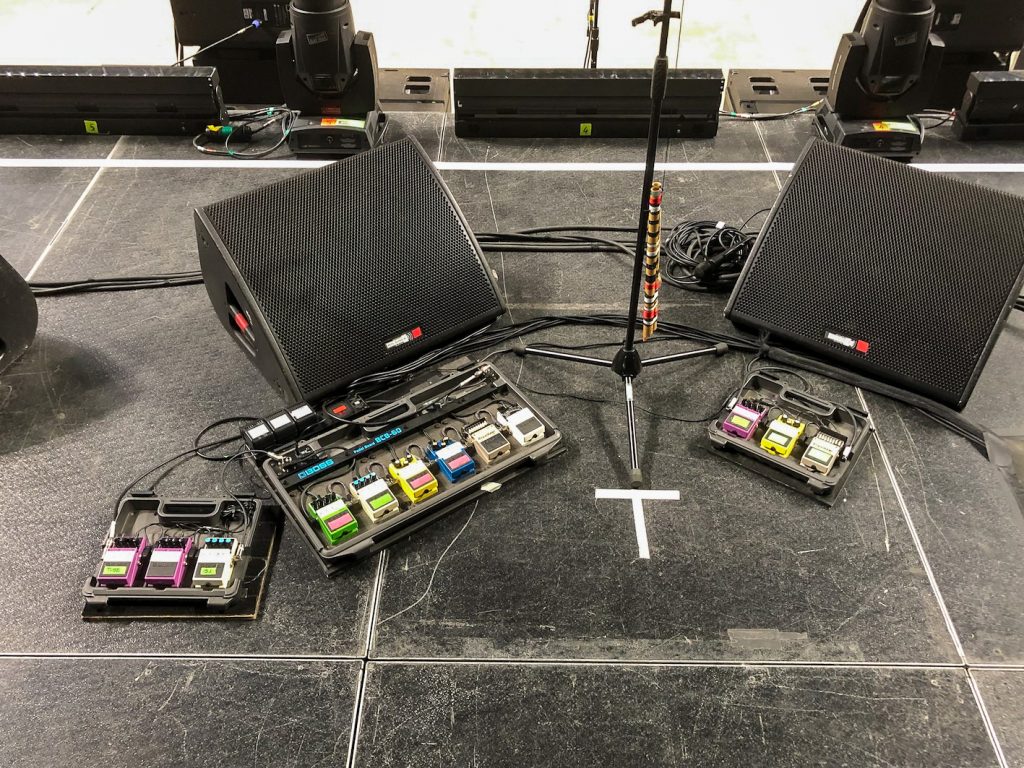
It’s interesting to work with a band for the first time. It’s a little bit like being a new kid at school. In April 2023, when we started The Cure rehearsals, it was a lot of fun setting up Robert’s rig, which included the larger BCB-60 Pedal Board and two of the smaller BCB-30s. We carry spares on tour, so there’s a whole trunk of them. They work so well; they’re neat, and at the end of the show, it’s easy just to put the lids back on and pack them away.
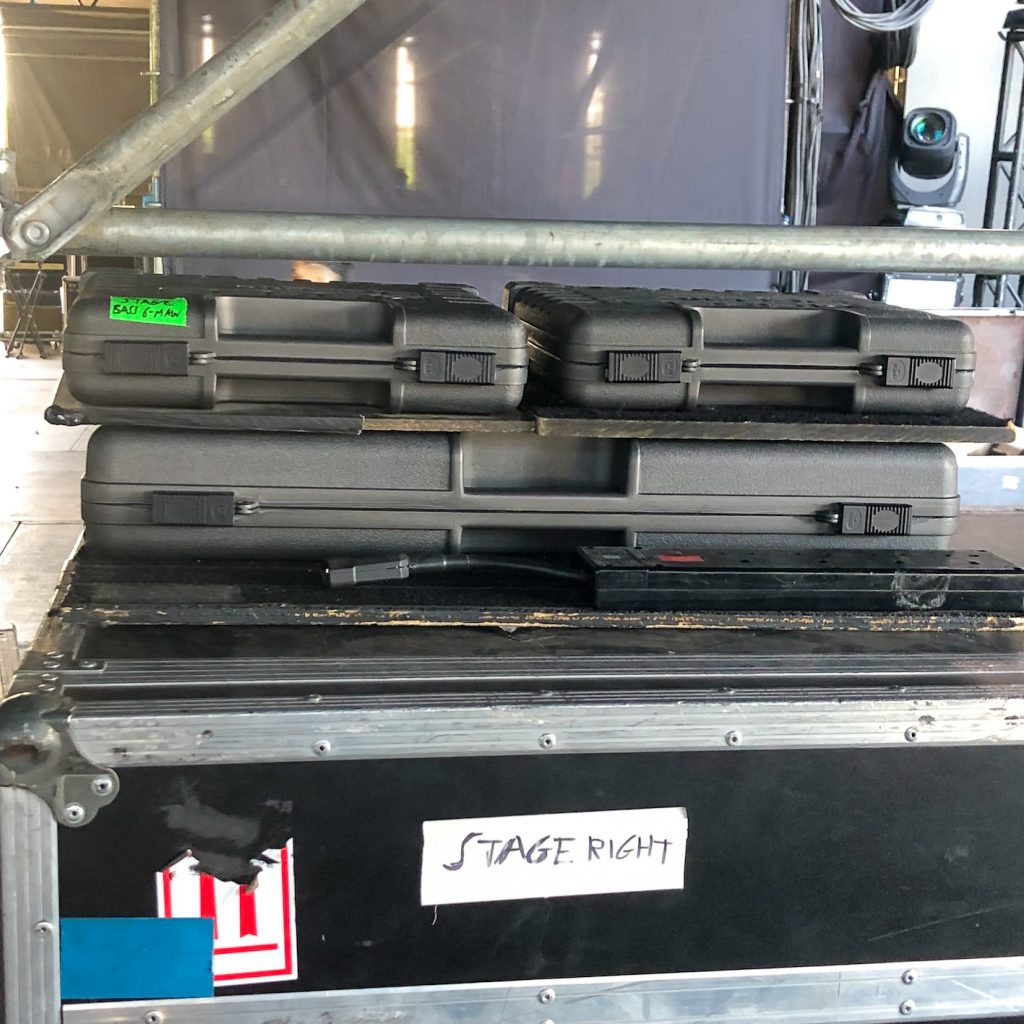
Robert used the original BCB-6 Carrying Box early on, back in the 1980s, and he still uses that type of case today. The BCB-60 and BCB-30 cases, pedals, patch cables, and power supplies are all BOSS. It’s the complete package (and looks great!)
Which pedals does Robert Smith use?
On the BCB-60, he has a PH-3 Phase Shifter, DD-3 Digital Delay, SD-1 Super Overdrive, BD-2 Blues Driver, GE-7 Equalizer, and TU-2 Chromatic Tuner. The smaller BCB-30, to the left of the BCB-60, has two BF-2 Flangers and a DD-3. The other BCB-30, positioned to the right of the BCB-60, has a BF-2, SD-1, and GE-7.
“Robert Smith's cases, pedals, patch cables, and power supplies are all BOSS. It’s the complete package (and looks great!)”
Robert Smith also famously uses Roland amps; which ones are in his live rig?
Robert has been using Roland CUBE amps for many years. They all sit on the drum riser. He’s got two CUBE-80GX models for stereo electric guitar, a CUBE-60XL BASS for his six-string bass, and a CUBE-40XL for acoustic guitar. The acoustic goes to a TU-2 and then into the amp. He uses a chorus effect on that amp.
I’d never used those amps before working with The Cure. They are the perfect guitar amps for Robert’s sound. He plays guitar quite hard, whether strumming or picking, and they respond really well. They have a lot of punch, clarity, and transparency. And they take pedals really well. It’s a perfect match.
“Robert Smith has been using Roland CUBE amps for many years... They are the perfect guitar amps for his sound.”


What are some of your favorite The Cure live moments?
I think in some ways, Robert is a very underrated guitar player. As a teenager, I always liked his style of playing. Now, many years later, listening closely to his guitar playing with in-ear monitors and being in his stage-world during the shows, is fantastic.
Robert’s six-string bass sound with the chorus in “Pictures of You” is a really great live moment—particularly when Robert and Simon Gallup are playing together at the beginning of that song.
Of course, “A Forest” is also classic. Every time it gets to that part of the set and the pedals go on—talk about an advert for the Flanger! It sounds phenomenal. If ever there were a perfect marriage between a song and an effects pedal, that would be it.
“‘A Forest’ is also classic... Talk about an advert for the Flanger! It sounds phenomenal. If ever there were a perfect marriage between a song and an effects pedal, that would be it.”
Classic BOSS
What’s your favorite BOSS pedal of all time?
The HM-2 is my favorite, probably mainly for nostalgic reasons. But if I needed to pick just one pedal to use forever, it would be the DD-3. It opened so many doors for playing—so many possibilities. It’s a close tie between the HM-2 and DD-3.
Would you like to see any discontinued BOSS classics return?
I worked with The War on Drugs, and one of the band members picked up an old SG-1 Slow Gear on tour. Up until then, I’d never heard one in action. But if BOSS ever released a version of the Slow Gear, I would be first in line to get one. That’s top of the list for me. After spending a little bit of time with an SG-1 on tour, I realized how cool they are.
What’s your favorite BOSS pedal moment on record?
Entombed, Left Hand Path, HM-2. The Swedish sound!