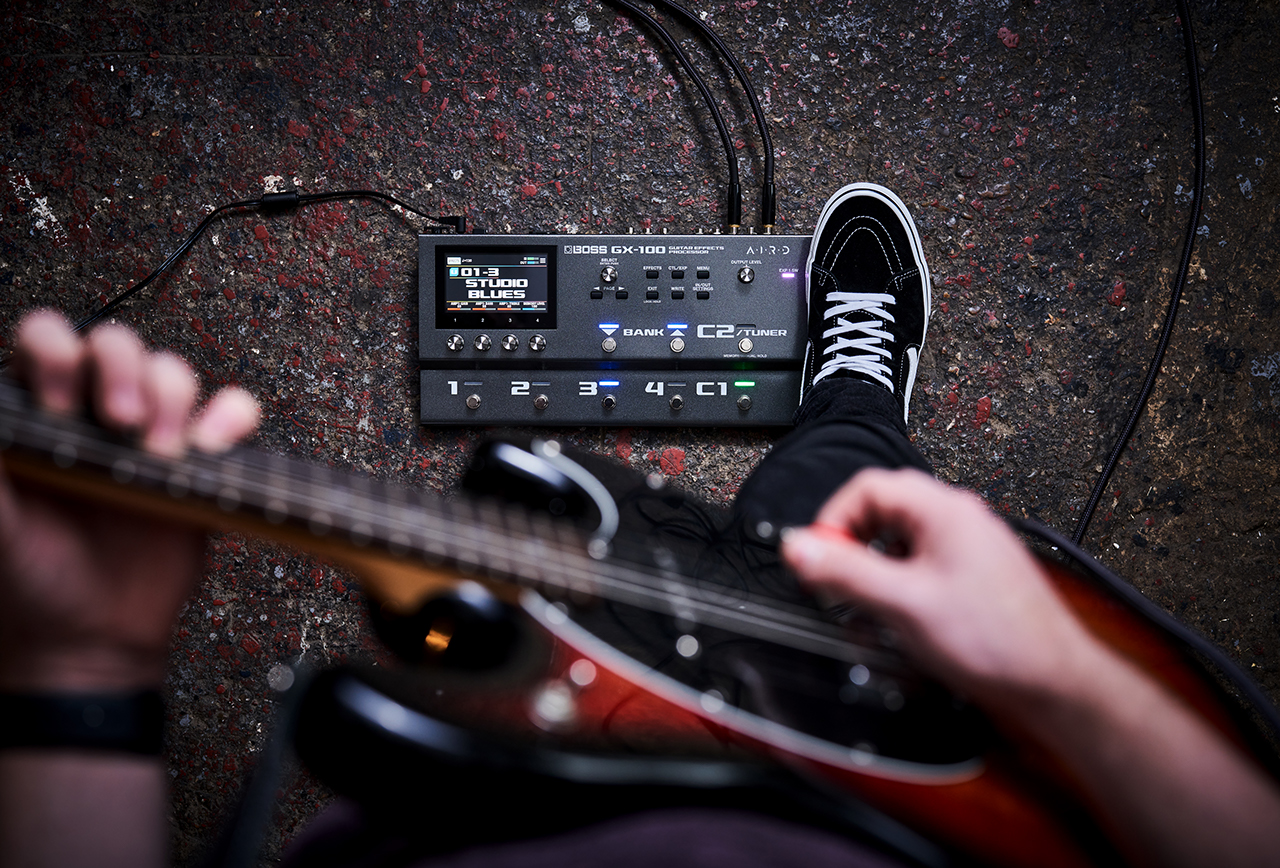


Blues guitar doesn’t have a single, fixed sound. From the crisp, vintage attack of Buddy Guy and B.B. King to the saturated modern sounds of Joe Bonamassa and Gary Clark Jr., there are endless ways to approach this genre. Still, at the heart of the blues is a respect for tradition. Reverence for the past shows up in lyrics, structures, and the dogged pursuit of killer guitar tone.
Across different eras and playing styles, sounds range from clean and open to raw and overdriven. Often, these sounds are shaped as much by the player as the equipment they use. What connects them is not a specific amp setting or signal chain, but the way the whole setup responds to touch and dynamics. Because at the heart of the blues is that enigmatic factor: feel.
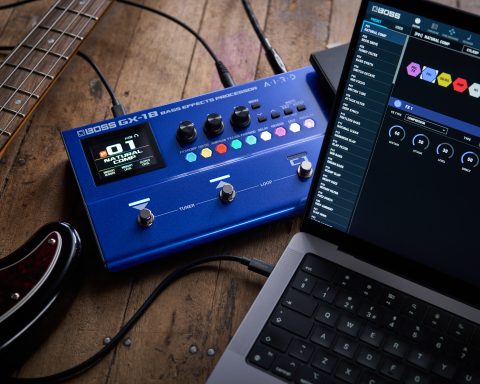
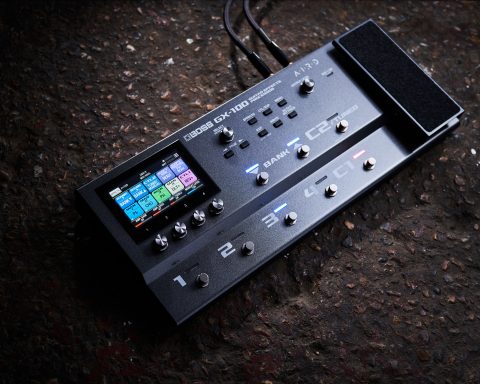
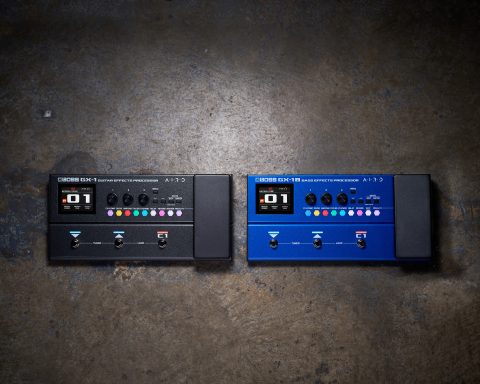
This guide covers how to approach blues tones on a multi-effects unit like BOSS GX-1, GX-10, or GX-100 with these principles in mind. Rather than chasing a single “correct” tone, focus on building a responsive foundation adaptable to multiple styles within the genre while staying simple, musical, and expressive.
Key Characteristics of a Blues Guitar Sound
- “Pushed” amp tone
- Responsive to touch and dynamics
- Warm, mid-focused EQ
- Simple signal chain, with minimal effects
Build a Blues Signal Path Instead of Relying on Presets
For an organic style like the blues, it will help to think in terms of signal paths rather than presets. Instead of starting with a finished sound and tweaking around it, build a chain where each block has a clearly defined role and earns its place through necessity. The most memorable blues tones rely on a simple structure:
- A quality vintage-style amp sound doing the core work
- A tasteful overdrive like the BOSS Blues Driver or SD-1 to push the amp when needed
- EQ and ambience to gently shape the tone
Keeping the signal path short for blues makes it easier to preserve dynamics. A key factor is understanding how each adjustment affects the connection between player and equipment. For example, how does your amp react to the gain or tone knob of your drive? Look for sweet spots and use them to your advantage.
Killer Blues Tone Starts with the Amp
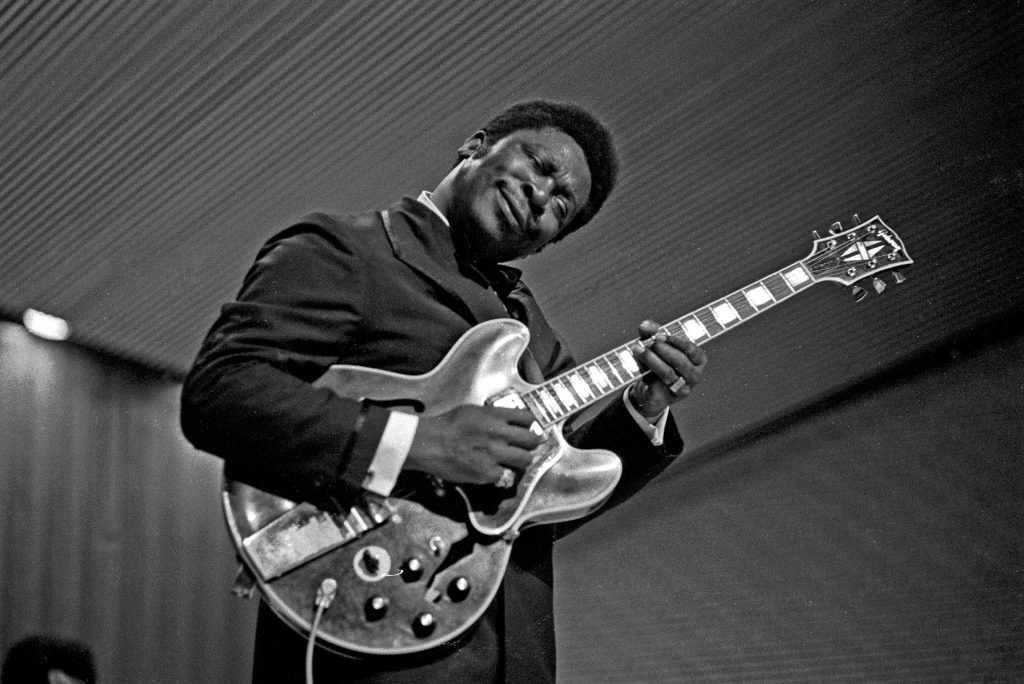
Crafting a great blues tone on a multi-effects unit like the GX series starts with the amp block. This component will do a lot of the heavy lifting, and everything that comes after exists mainly to support what you build here. If the amp isn’t feeling good under your fingers by itself, no amount of drive, EQ, or effects later in the chain is going to fix that.
Traditionally, blues guitarists are looking for a classic “pushed” sound, which means the amp is right on the cusp of breakup without tipping over. It’s what players like Albert King, Samantha Fish, and Eric Gales are all after: a sound that sings with aspects of the human voice.
To get that feel, find a tone that stays clean when you play lightly but gets gritty when you dig in. This kind of dynamic response is essential to blues phrasing, allowing your picking technique and guitar volume to shape the sound naturally.
Choose the Right Blues Amp Model
Look for amp models that break up gradually rather than switching suddenly from clean to distorted. This means the sound changes in small steps as you play harder, adding a little thickness at a time rather than jumping straight into distortion. With this approach, softer notes stay clear and open, while stronger picking brings in bite and compression. That smooth transition is what allows a blues tone to feel expressive rather than fixed.
The amp block’s tone or EQ controls should be used conservatively here. You might need to roll off some bass if the sound is too muddy, and add a little treble if it lacks clarity, but not so much that the amp becomes thin or brittle.
In fact, the midrange is where much of the blues character lives. Boosting the mids helps notes sound fuller and more present, making bends and single-note lines stand out without needing more gain. Lowering them can make the sound feel wider and cleaner, but too little midrange often causes the guitar to disappear in a mix or lose its vocal quality.
Some amp models include additional controls, such as Presence or Bright. These focus on the high end of the sound and can have a big impact with small adjustments. For blues tones, use them sparingly, often to reduce harshness rather than add extra brightness.
"The midrange is where much of the blues character lives. Boost the mids to help notes sound fuller and more present."
Pickups for Blues Guitar Tone
Pickups change how the amp responds before you touch any settings, influencing how quickly it breaks up and how the sound reacts to your touch.
- Single coil pickups usually sound clearer and more immediate, which can make light picking more defined and dynamic shifts more noticeable.
- Humbuckers tend to sound thicker and push the front of the amp harder, reaching breakup sooner at the same gain level.
- P-90 pickups often sit between the two, offering more body than a typical single coil while retaining clarity and bite.

Use Overdrive to Shape Natural Blues Breakup
Now that the amp block is doing the key work, the next step is adding drive. This is often where tones start to fall apart. High-gain distortion flattens dynamics and masks touch, which are defining characteristics of the best blues guitarists. Headroom is your friend.
Think of an overdrive block as a push, not an addition. Its job is to hit the front of the amp a little harder, encouraging natural breakup rather than creating a new gain structure of its own. Set your drive block with the gain low, the level high enough to push the amp, and the tone neutral.
If the overdrive sounds exciting with the amp block switched off, it’s probably working too hard. On its own, the drive should remain subtle. The magic happens when it interacts with the amp, adding grit and sustain without overwhelming the core tone. This will keep your picking dynamics intact. Light playing stays clean and articulate, whereas digging in produces thickness without losing clarity.
Refine Your Blues Tone With EQ
Once the amp and drive are working well together, a separate EQ block can be useful for gentle refinement rather than reshaping the tone. Where the amp’s bass, middle, and treble controls make broad, musical adjustments, an EQ block allows smaller, more precise changes.
Start by playing single notes across the neck and listening for anything that feels uneven or unfocused. If the sound feels slightly boomy, take some of the low end away, and if notes feel buried or lack definition, a small midrange adjustment is often enough. Changes here should be subtle. If the EQ is clearly audible when switched on and off, it is likely doing too much. Keep it natural and vibey. Legends like John Lee Hooker and Muddy Waters possessed the magic in their fingers.
"An EQ block is useful for making gentle refinements rather than broad, musical adjustments."
Add Reverb and Delay for a Classic Blues Feel
In a natural, organic style like the blues, reverb and delay should add space around notes, not draw attention to themselves.
Start with reverb. A small room or spring-style setting will work well here, as it adds depth without softening the note’s attack. Keep the mix low and the decay short. Turn it up just enough so the guitar doesn’t feel dry when playing alone, then stop.
Delay is optional, but it can add weight to single-note lines. Try a single repeat, with low feedback, and a low mix level so the delay sits just behind the dry signal. If the repeats start to distract from what you’re playing, pull the level back. Shorter slapback delays can add a punchy old-school mood like Jimmy Vaughn, while longer tails can evoke the spacey sound of David Gilmour’s neo-blues moments.
Pro tip: Place reverb and delay after the amp and EQ. This keeps the core tone consistent and prevents ambience from affecting the amp’s response to your playing.

Multi-Effects or Individual Pedals for Blues?
Whether you choose to sculpt your blues tone using a multi-effects unit such as one from the BOSS GX series, or curate a collection of individual stomp boxes, is entirely up to you.
Some people prefer the simplicity of having everything in one unit, meaning they can experiment with different amps and effects. Others favor specialized pedals that perform specific functions. Each approach has its own pros and cons and there is no “best” way of doing things. Outlined below are some key differences between each setup:
| Multi-Effects | Individual Pedals |
Flexibility | All-in-one units cover all bases, including amp simulation, but are limited to onboard options | Multiple units required, but total freedom to chase specific sounds |
Power and Cabling | One power source and fewer cables | Multiple power connections and patch cables. Can get messy and complicated |
Consistency | Presets allow tones to be saved and recalled exactly | Settings must be dialed-in manually each time |
Workflow | Requires initial setup and menu navigation | Direct, hands-on adjustment of each control |
Value | Much cheaper than buying the equivalent individual amps and pedals contained within | Pedals only added if they’reneeded, so no money spent on sounds you have no intention of using. Additional costs include power supplies, pedal boards, and cables. |
Adapting the Setup for Different Blues Styles
Delta Blues
Lean towards a cleaner, more direct sound with minimal reverb and little to no added drive. Let dynamics and attack do the work. A slightly brighter tone can help fingerstyle parts cut through.
Chicago Blues
Introduce more edge and sustain. Push the amp slightly harder with overdrive and allow a touch more midrange presence. A subtle reverb or short delay can add weight without softening the attack.
Texas Blues
Use a stronger midrange focus and a little more drive to create thickness and authority. Keep the low end tight and add just enough reverb to maintain clarity in faster phrases
Blues Guitar Tone in Summary
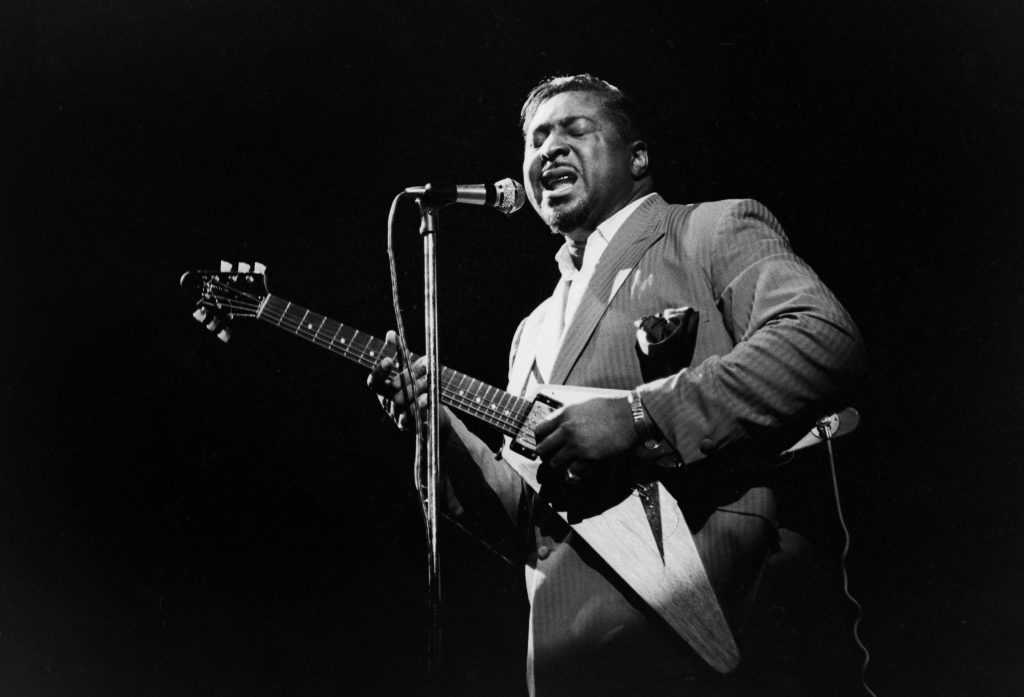
A convincing blues tone is not something you dial in once and leave untouched. It shifts with your hands, your guitar, and the sub-genre you’re playing. A multi-effects unit works best when it supports that flexibility, offering a simple, responsive foundation rather than a fixed sound. From swampy Delta blues to overdriven British blues, the palette is wide and open to your personal touch.
By focusing on a clear signal path and using only the crucial blocks, you leave space for dynamics and expression to do the real work. The result is not an all-purpose “blues tone,” but a setup that can move comfortably across different blues styles without getting in the way. Trust your ears, keep adjustments small, and let feel guide all your decisions.