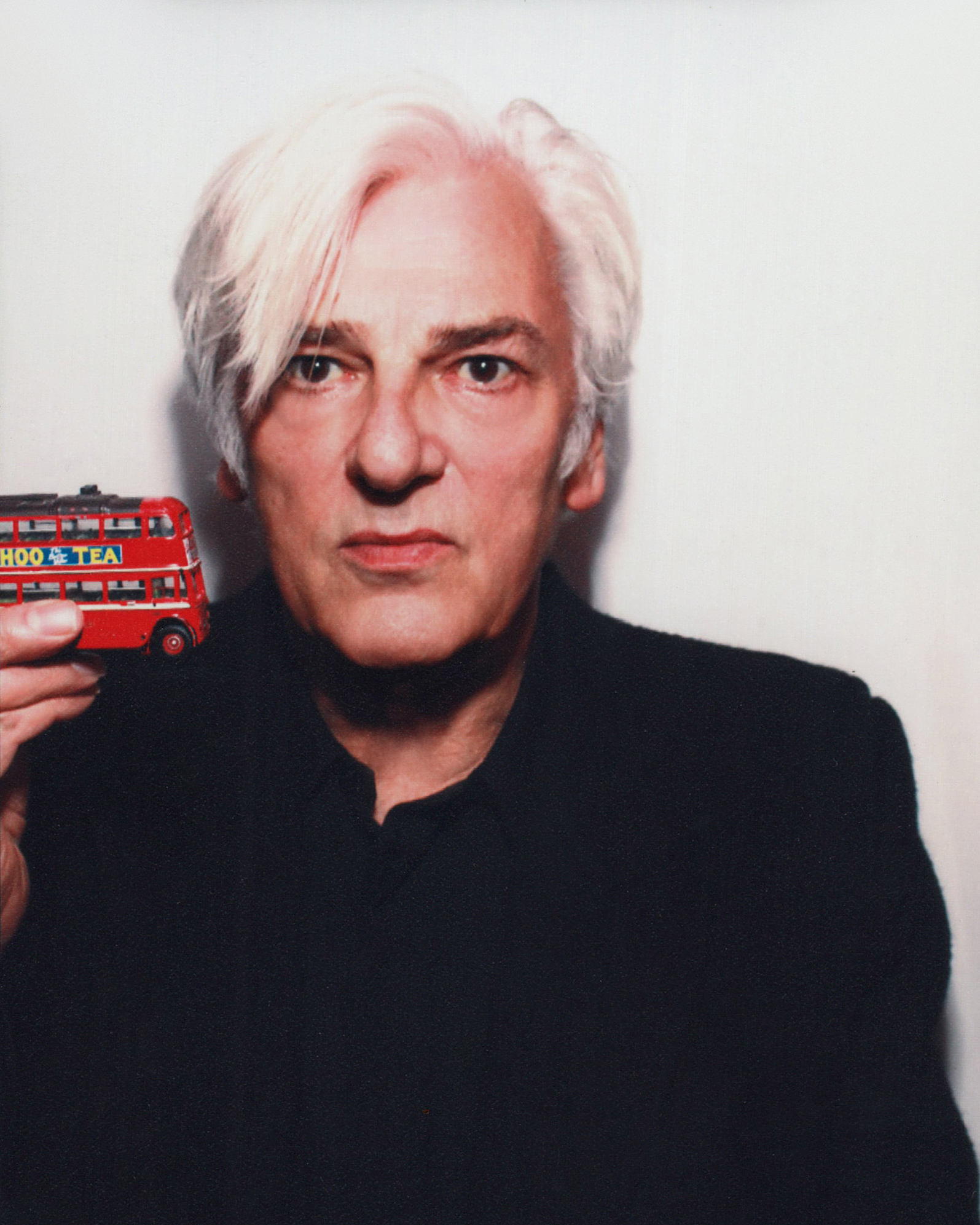


Psychedelic is one of those convenient buzzwords that simultaneously conveys too much and nothing at all. Drawing more from the skewed subconscious of Syd Barrett-style songcraft than long-winded space jams, the colorful universe of Robyn Hitchcock is filled with balloon men, cheese alarms, and a lost Madonna of the wasps. As a self-defined child of the flower-power generation, Hitchcock even framed his first memoir around 1967 and the Summer of Love’s impact on his adolescence.
But any single genre is too limiting for the UK-born, Nashville-centered artist. Speaking from his home studio, resplendent in one of his trademark floral dress shirts, Hitchcock walks us through the many phases of a prolific musical path. With keen eye and dadaist wit, he revisits everything from threadbare early Soft Boys tours to appearances in Johnathan Demme films. On the eve of releasing his latest collection, The Confuser, Hitchcock also reveals his pedal preferences, the origins of his penchant for melodic existentialism, and more.
Soft Boy in Music City
From the Soft Boys on, people have painted your music with a psychedelic brush. There’s the surreality of your lyrics, but does that word mean anything to you?
It means a lot to me, but it’s not entirely accurate. I mean, I’m more psychedelic than, say, hip-hop or dance. But I am equally folk and equally power pop. I’m equally rock’n’roll, and equally a visual artist who happens to work in music.
The words I use generally are to create a visual image, so you can see something while you listen. Sonically, I come from 1966/’67, which is where psychedelia originated. But I’ve never been a flower-power, peace-and-love sort of person. I’m not sure how delicate I am, really.
"Sonically, I come from 1966/'67. But I've never been a flower-power, peace-and-love sort of person. I'm not sure how delicate I am."
You’ve been based in Nashville for a long time. Are there any things you miss about UK life?
Being here keeps me in the bloodstream of America, which is my biggest audience. I go back to the UK, and we were there during the pandemic, but Nashville meets my needs. I like playing live. I like recording. I like being a working musician. And that’s easier for me to do in Nashville than in London. I’ve still got a few friends in Britain, and I know a few musicians, but I know far more here.
Most of my last few records have been made here. My wife, Emma Swift, and I are the only people in East Nashville without a home studio. We have a little four-track machine, which we managed to finish Emma’s Bob Dylan album on. Then we sent the tracks off to Pat Sansone from Wilco, who is a local. My record, Shufflemania! was done by post. But the one before that was done in a studio with Brendan Benson, and the one I’ve just done was done with Brad Jones.
Sweeping Up After the Summer of Love
You published your first memoir, 1967, How I Got There and Why I Never Left, which was well received. Had it been gestating for a while?
People have been threatening to write a book about me for a long time, and I wasn’t really sure about that. Then other people said, “Why don’t you write a memoir?” My life has been so long that I couldn’t put it all in one book. Emma said, “Well, pick one little tiny piece of time.”
So I picked 1966 going into ’67, which was when I hit adolescence and when music also happened to get psychedelic. So it’s me as a 13-year-old running across Bob Dylan, Jimi Hendrix, and Pink Floyd. All of them were making music that had never been made before.
In a way, all I’ve ever done is work on existing templates: two guitars, bass and drums, harmonies, a bit of backward guitar, occasional bit of electric sitar, B3 or some other keyboard. And this is a template that was laid down decades ago. Those records were innovative. No one had done anything like “Third Stone from the Sun,” “Interstellar Overdrive,” “Tomorrow Never Knows,” or “Eight Miles High.” I’m basically sweeping up after them.
Do you remain engaged with contemporary acts?
I’m not cutting edge. I really like Cass McCombs, but he’s been making records for 20 years or more. He’s way younger than I am. I enjoyed people like Black Midi, who came out of Britain. That was kind of innovative. I think they were into Beefheart. I saw a band called Flyte, who are English but sound very West Coast. It’s from that same well. And I like the English guys like Johnny Marr.
"To put it positively, you could say we are in a state of change. We're undergoing some kind of transformation, but we don't quite know what we're transitioning to."
The Refined Art of Disintegration
Your latest record, The Confuser, explores existentialism and the brevity of life.
My stuff has always been existential. It’s to do with the shock of existence, like, “Oh my God, I’m actually here.” You look at your fingers, at your toes, and wonder what goes on beneath your skin, how long you’ve got to live, how your body clock is winding down. Now I’m over 70, and I’m getting towards the end of my time here. I have a lot of energy because I’m lucky enough to make a living doing things I love: writing, drawing, painting, and the rest of it.
The album is also, to some extent, a meditation on collapse. The world is disintegrating. I’m disintegrating. America’s disintegrating. To put it positively, you could say we are in a state of change. We’re undergoing some kind of transformation, but we don’t quite know what we’re transitioning to. Are we just in transition to extinction? Are we in transition to some kind of human evolution? Are we going to come through this as a more empathic species, or are we just going to die with our fingers around each other’s throats? It’s certainly an interesting time.
Yes, this is a wild moment.
That’s what I’m thinking about, but it probably bleeds through into what I write. My songs are like dreams. I don’t have any control over them. I write the words, and I put the music together, but where it actually comes from, I have no idea. My job is simply to act as a conduit between it and the outside world
"My songs are like dreams. I don't have any control over them. My job is simply to act as a conduit between it and the outside world."
Musical Shorthand
Did you have a vision sonically for this batch of songs, or did it evolve with everyone’s contributions?
The vision was simply to go back in with the old template—two guitars, bass, and drums—because that’s the thing I’m best at. It’s what I did with the Soft Boys, and it goes back to the Velvet Underground, the Beatles, and Captain Beefheart and the Magic Band.
I was delighted to see your Soft Boys bandmate Kimberley Rew’s name on the list, along with the Music City heavies.
Emma, my wife, runs the label and executive produces my records. She said, “This is nice, but you need a bit more guitar. Why don’t you send it over to Kimberly?” Kim loves to play. He flew over to Athens, Georgia, the other day because I didn’t have a guitarist for a gig. He’s going to join me in London later in the year.
We have our own kind of musical shorthand, which we can resume at any point or leave for years. So, Kimberley played on about six of the tracks. There are lots of his touches: a dive bomb sound at the end of “How to Feel Alright,” a lovely arpeggio in “Breathless.” Then there’s some funky guitar in “Growing From The Ruins,” and he’s the only guitar on “Ghost in Sunlight.” That’s fun because Gillian Welch is singing on that as well.
"Kimberley Rew and I have our own kind of musical shorthand, which we can resume at any point or leave for years."
Shifting Gear
How has gear been a part of your sound over the years?
I can be very reliant on a pedal or a filter. I made a whole record and all my guitar went through a chorus effect. I think this was Element of Light, and I just had it on the same setting all the way through. I don’t tend to experiment. So the next record, I think I made sure I didn’t have any pedals on it. It varies.
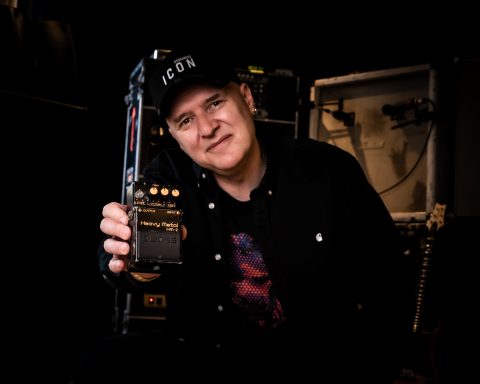
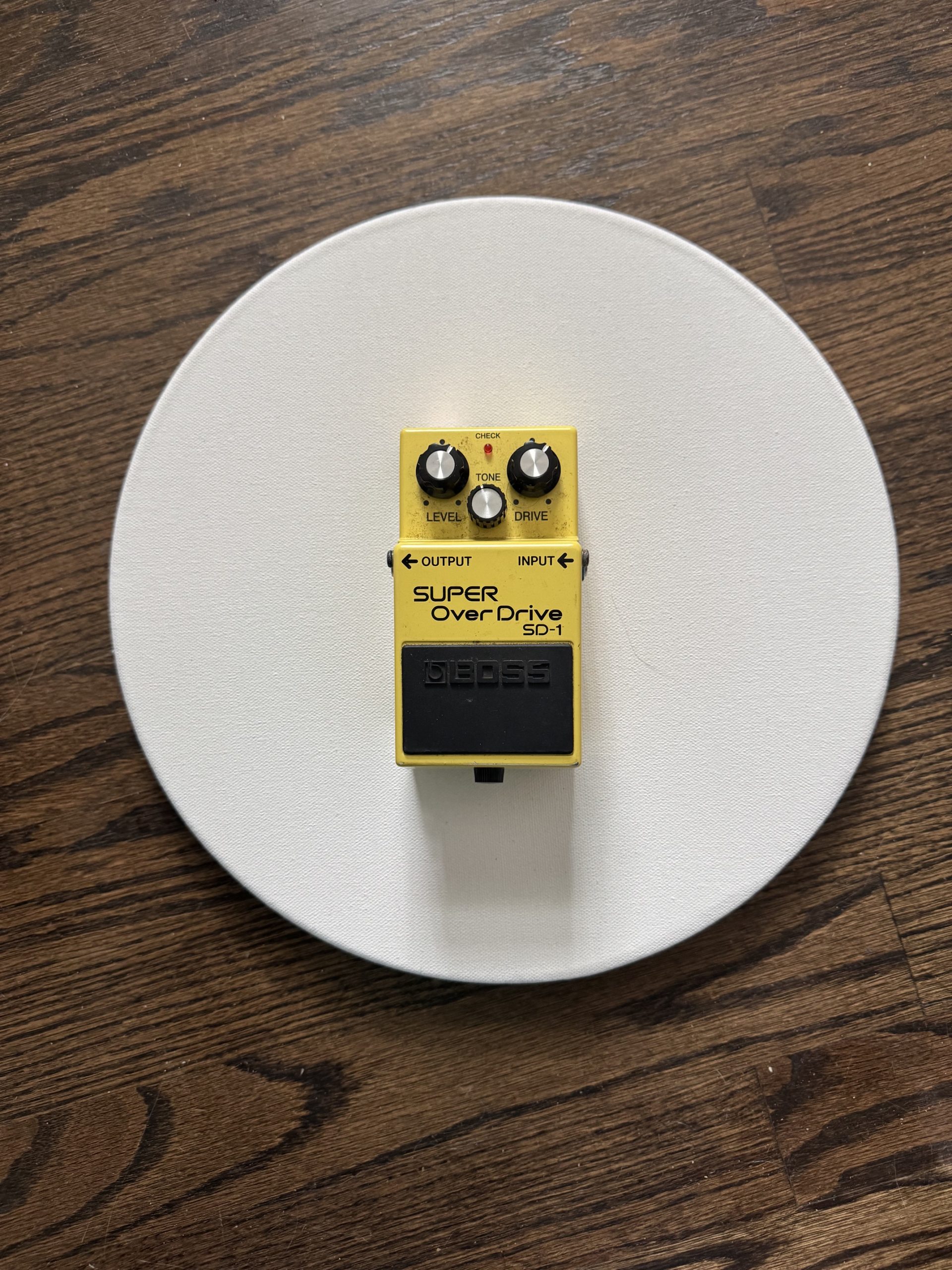
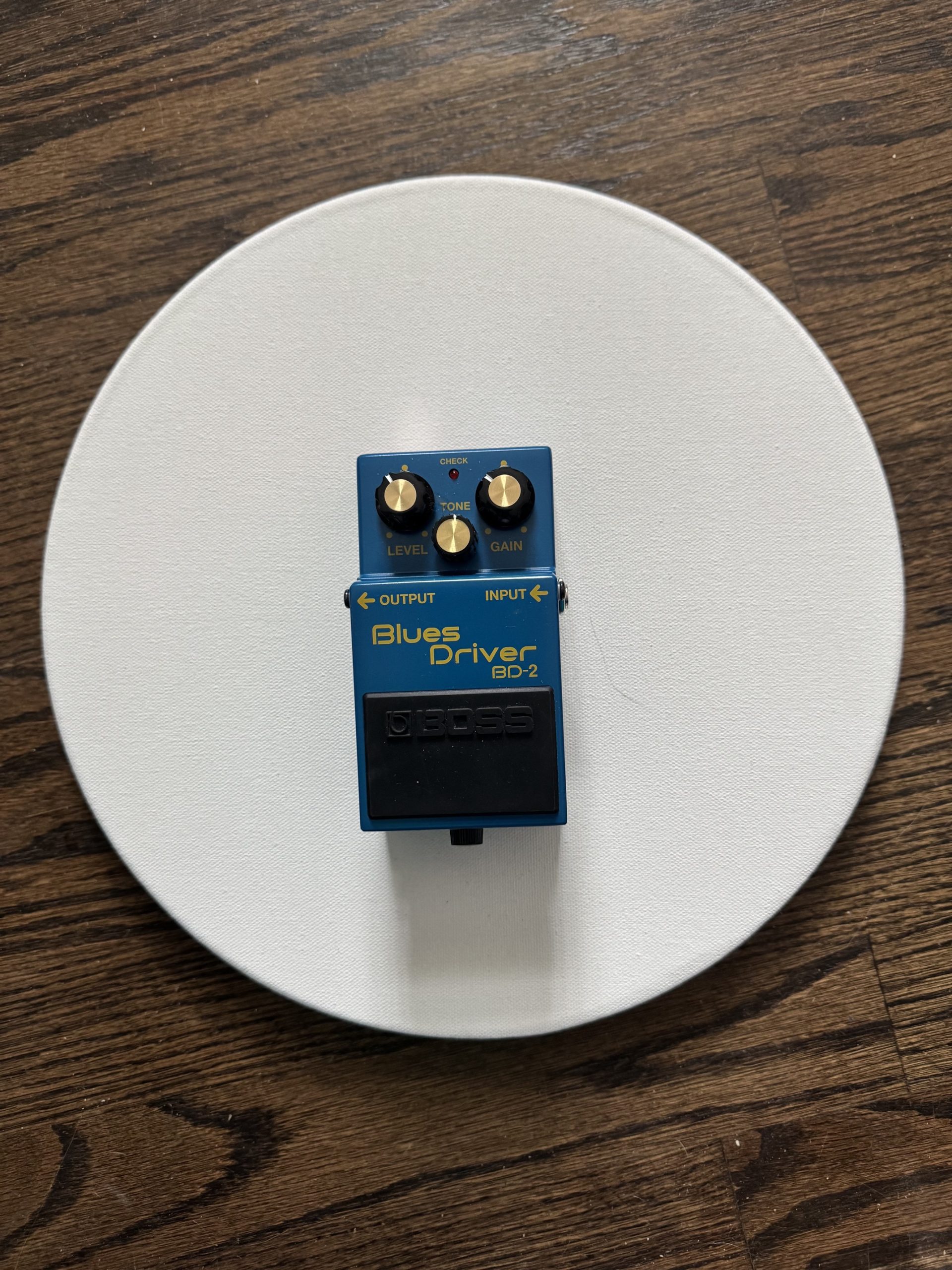
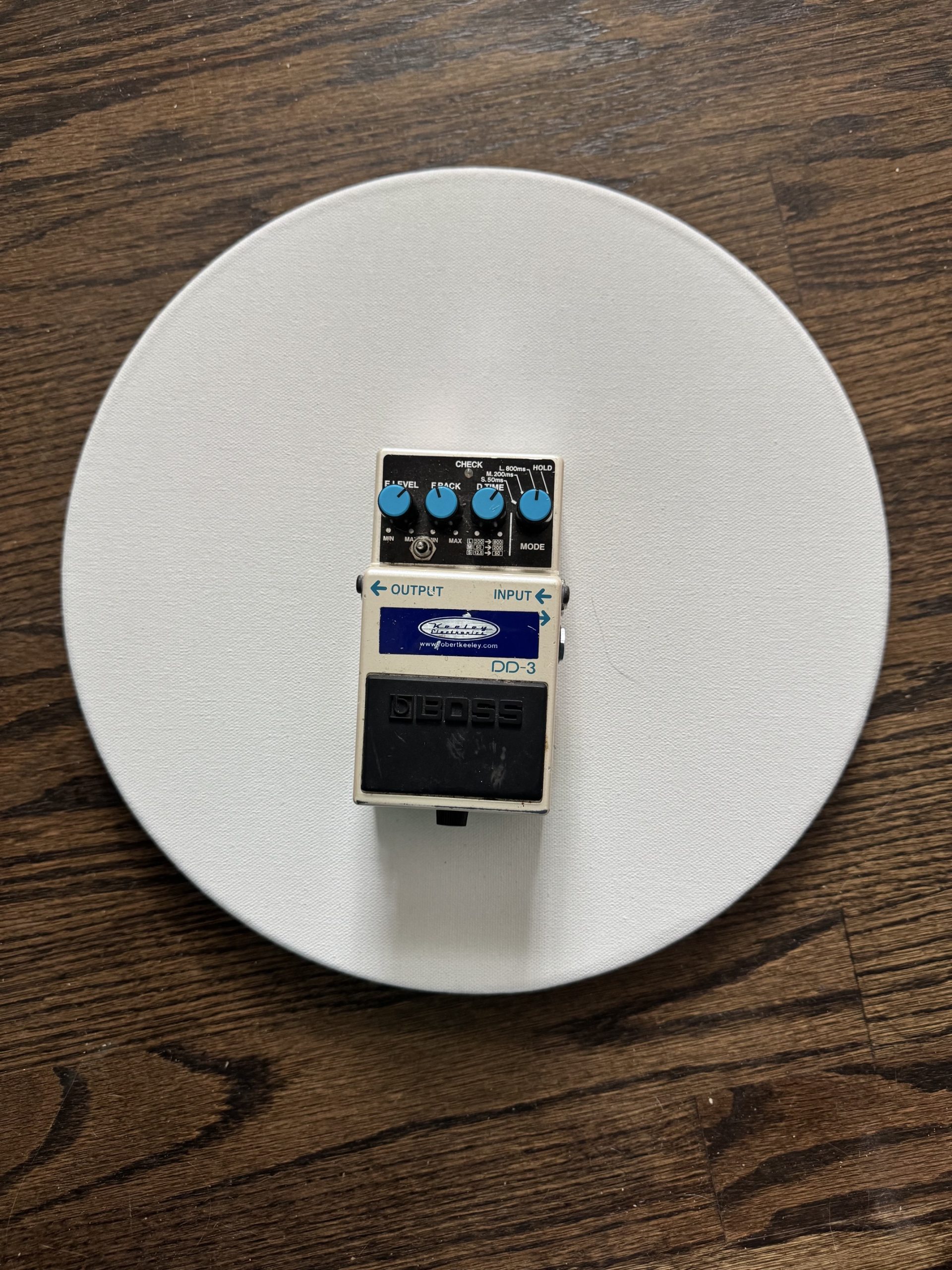
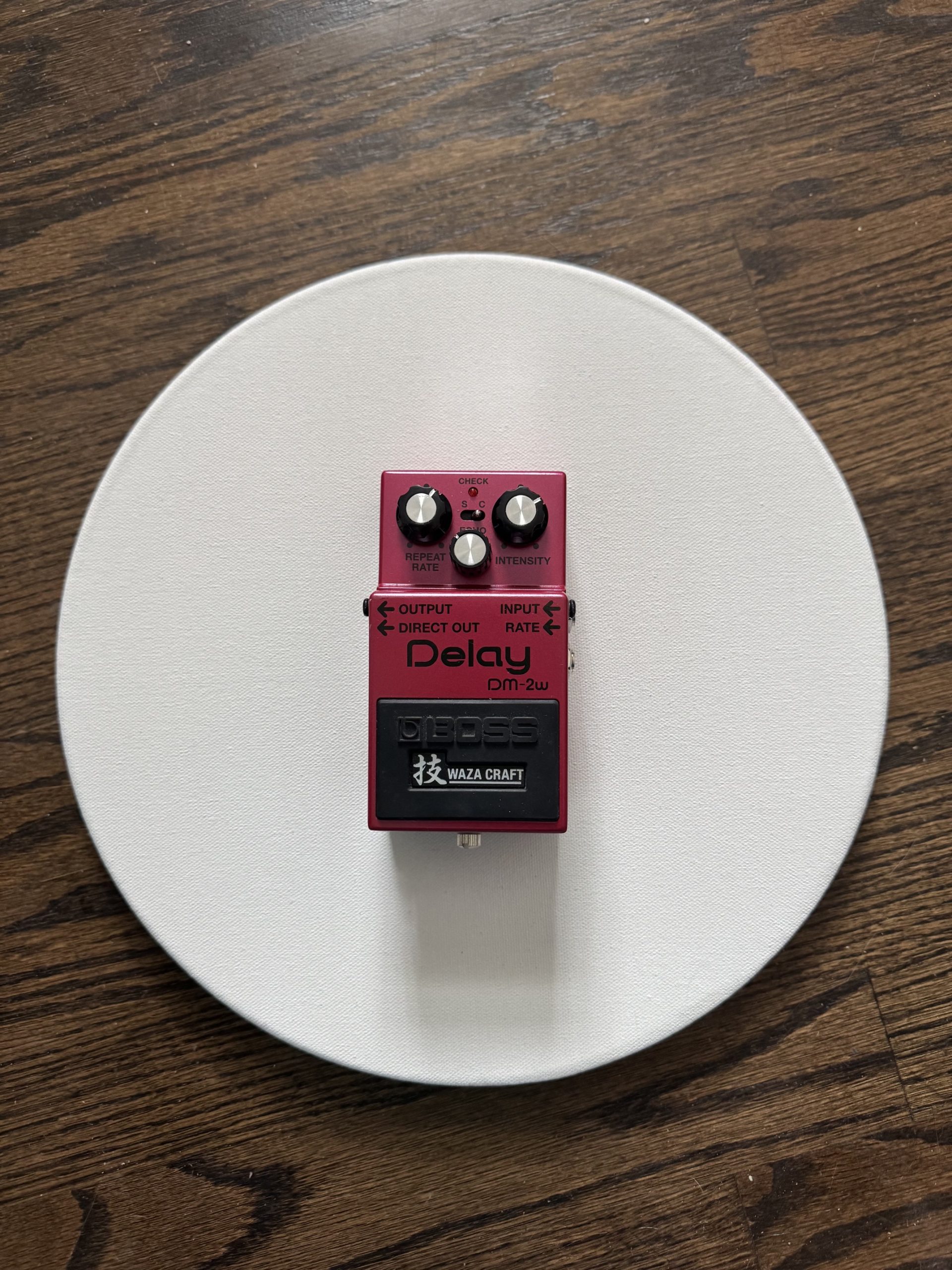
In terms of recording, I like things to be as clean as possible, just through an amp. Live, it’s a whole different matter. There’s an old BOSS chorus pedal I’ve had for about 30 years. Not since the Soft Boys, but since the ’90s. I’ve also got a TR-2 Tremolo unit from the ’00s, the SD-1 and BD-2 overdrives, and DD-3 and DM-2W delays.
I tend to leave things on one setting for 10 years. The only thing I adjust is the tremolo because I sometimes want it a bit faster or slower. “Shuffle Man” live has a big wobble on it. I think it’s based on a Bo Diddley rhythm: “Shave and a Haircut, Two Bits.”
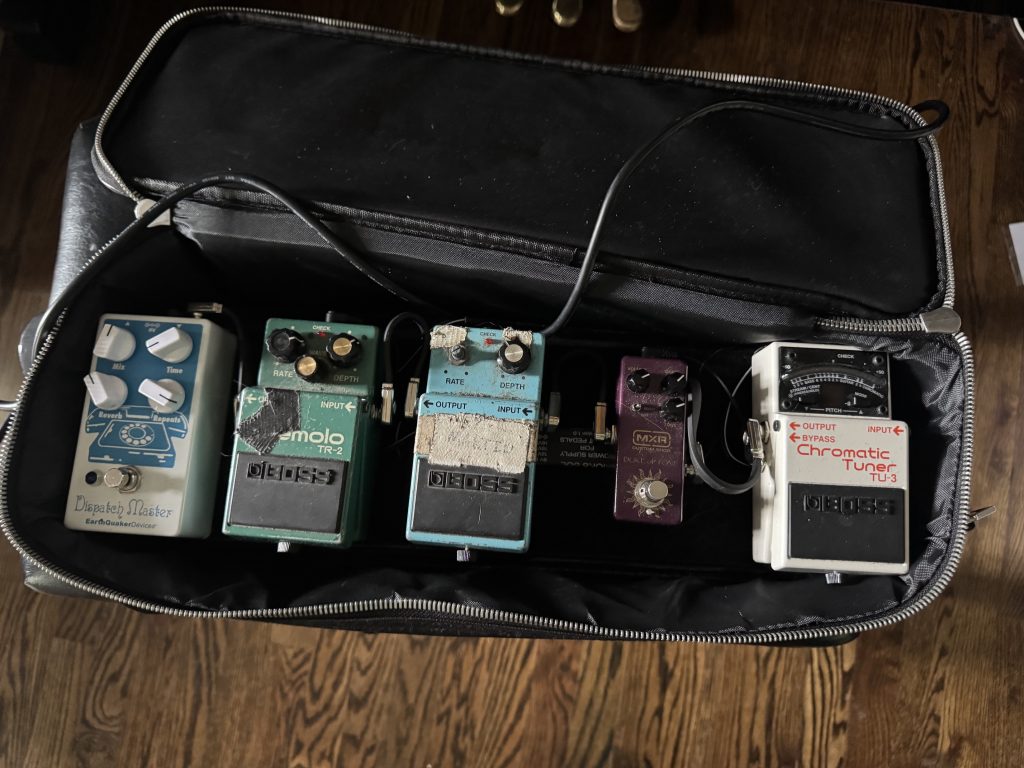
"I tend to leave things on one setting for 10 years. The only thing I adjust is the tremolo because I sometimes want it a bit faster or slower."
Many Frequencies
What songs or albums would you recommend to a Hitchcock neophyte to give them an idea of what you’re about?
I think album-wise, I would do Underwater Moonlight from the Soft Boys, and then the other side of that would be a record called Eye, which came out in 1990, which is solo acoustic, recorded in San Francisco, which is the opposite. It’s just me, an acoustic guitar or piano, but it gives you an idea of what I’m like.
Going back to the other template, probably the self-titled one I did in 2016 here in Nashville with Brendan Benson. That’s my first record with the Nashville cats, but I think the songs are pretty good on all of them. If none of that is to your taste, then don’t bother listening to anything else. If you do like it, you’ll find lots more in a similar frequency.
A Prolific Partner
Your collaborations extend beyond the mere musical. There was your work with Jonathan Demme and cult favorites like Andy Partridge of XTC. Plus, you and Emma have a longstanding partnership.
Jonathan Demme made that concert movie of me in 1996. It was great working with a movie director who was a huge music fan; he did Stop Making Sense. And he put me in a couple of his feature films, which was nice of him. The last thing I did with him was Rachel Getting Married, and all the music happened in real time. There’s a bit where I’m sitting by a swimming pool and playing a song of mine at the wedding party. We did it in one take. It was fantastic.
Andy Partridge is great. He’s a very good recording engineer as well. So, I think the stuff we did together is beautifully recorded. It’s just our routines are so different. He lives in Swindon [UK], and he never tours. I have to tour all the time, so it’s quite hard for us to meet.
I’ve also worked with Gillian Welch and Dave Rawlings. They produced an album of mine, and that was an acoustic one. Dave Rawlings produced that, and then he and Gil are all over it.
"There’s a bit in Rachel Getting Married where I'm sitting by a swimming pool and playing a song of mine at the wedding party. We did it in one take."
Is there anyone you’re interested in collaborating with whom you haven’t yet?
I would love to work with Brian Eno one day, but it’s fairly unlikely. I met him in 1967. Brian was a student at the art school. I was 14, and was hanging around with the big boys who were 15 and 16. He was the local guru at 19, and full of conceptual ideas even then. About every 10 years, I run into him, but I can’t imagine having the budget to work with him. He’s quite a high-end cat, but I’d love to if the chance should come.
And I would love to do something with Cass McCombs; I’m a big fan of his. And I would love to have Paul McCartney come in and produce a piece of music and play bass and piano on it, like he did for John and George’s songs. They resented Paul because he was more together and more prolific. Why be in a band with someone who can play everything and tells you what to play?
"There are people who have been watching me for 40 years. You represent something different to them: their childhood, their youth, their adolescence."
How does touring differ in this phase of life from the Soft Boys days?
The early days with Soft Boys were very primitive. We never had any money, so it was pretty spartan. I didn’t even got a deli tray till we got to California, and that was the Egyptians and me. In the late ’80s and early ’90s, we went around the States in a tour bus and had roadies. We don’t have that anymore. If we tour with a band, it’s in a van, everyone is schlepping their own gear, and we can just about afford it.
I enjoy it more now because I’ve been doing it for so long. There are people who have been watching me for 40 years. In Britain, even longer. And you’re so much a part of their lives, and I suppose they’re part of mine, but I don’t know them personally. You represent something different to them: their own childhood, their youth, their adolescence. They can come see me and feel 17 again.