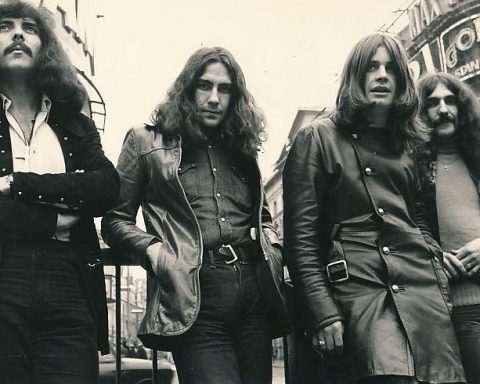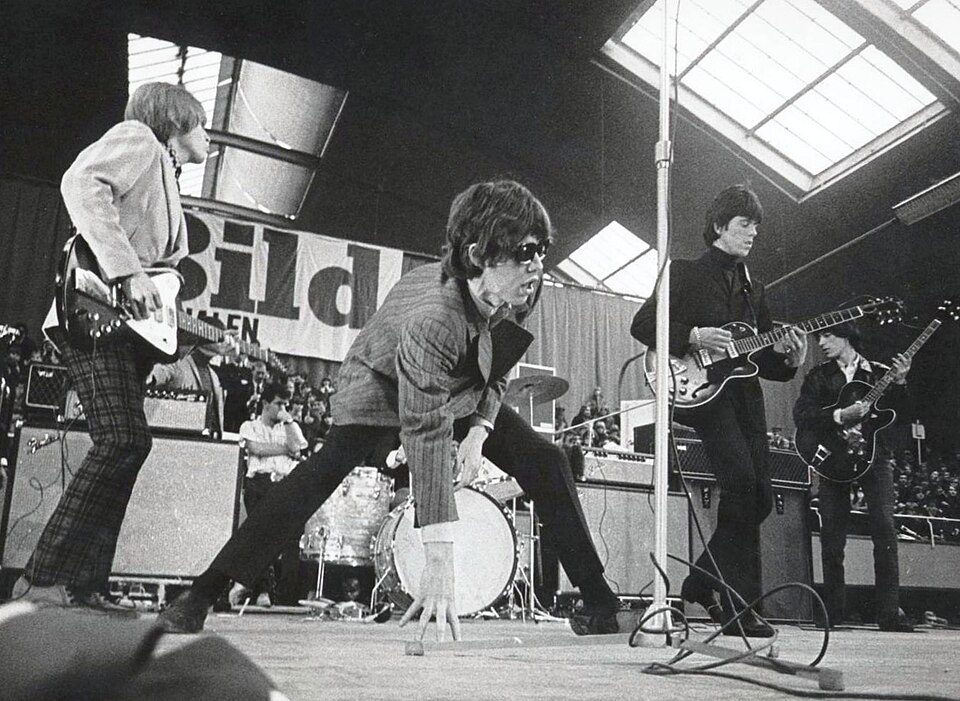
“I see a red door, and I want to paint it black. No colors anymore, I want them to turn black.” With these opening lines, the Rolling Stones’ “Paint It Black” draws listeners into its iconic world of haunting sorrow. Inducted into the Grammy Hall of Fame in 2018, the song stands as a piece of rock history. Discover the story behind this pioneering single and learn how to channel its darkness on the BOSS Katana.
About the Song
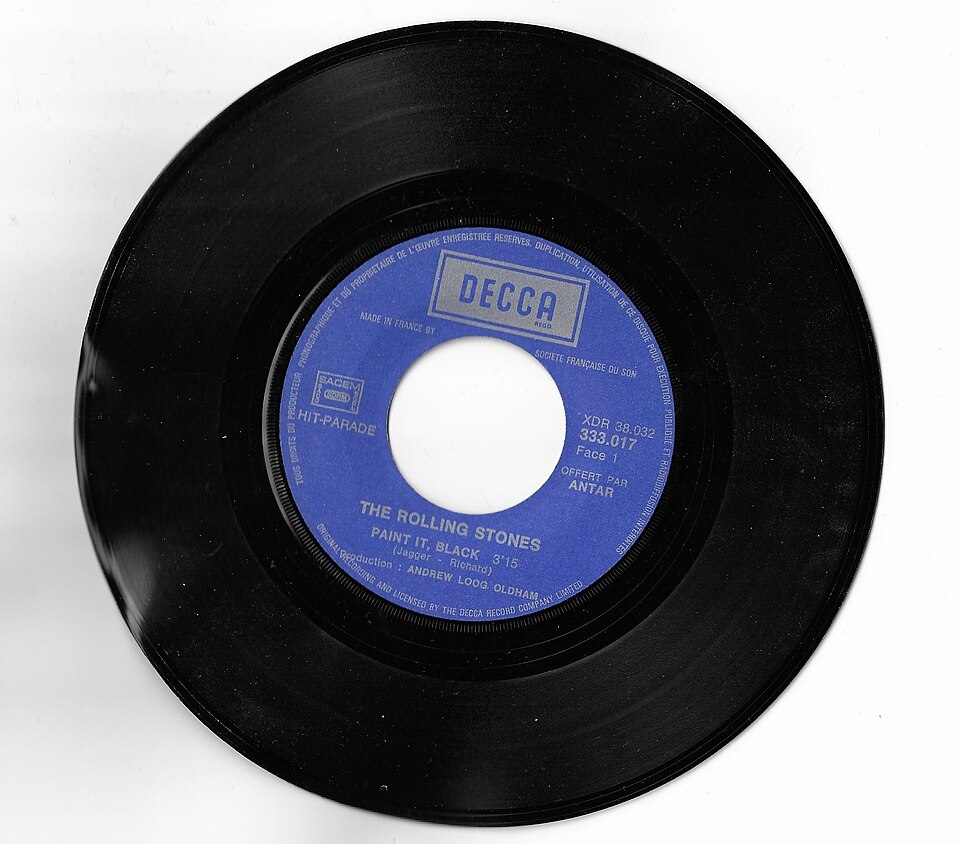
Released in May 1966, “Paint It Black” was a breakthrough for the Rolling Stones, topping charts in both the U.S. and the U.K. The single opened the American edition of Aftermath, the band’s first album of all-original songs penned by Mick Jagger and Keith Richards, and a departure from their blues roots. Brian Jones’ sitar and the track’s Eastern influences helped shape the psychedelic sound of the mid-1960s. The song’s success marked a turning point in the Stones’ evolution and cemented their global influence.
Sixty years after its release, “Paint It Black” remains a masterclass in repetitive consistency. It perpetually finds new fans thanks to fresh takes spanning various genres, such as Zac Brown Band’s country-rock interpretation and a cello cover featured on Netflix’s Wednesday.
"Rather than relying on dramatic fills, the guitar’s simplicity shines."
Breaking it Down
Breaking stride with previous Rolling Stones arrangements, “Paint It Black” features unconventional instrumentation with a sitar, Hammond organ, and castanets playing prominently alongside the core rhythm guitar, bass, and drums. The rhythm guitar is the heartbeat of the tune, a constant, unyielding base that propels the song. Rather than relying on dramatic fills, the guitar’s simplicity shines.
Learn the Licks
To match the song’s tuning, place a capo on the second fret. Marty Schwartz breaks down Richards’ acoustic guitar bedrock, starting on D minor and progressing to A Major. Use a driving downward rock ‘n roll/punk strum to replicate the pick work. Continue with Schwartz’s progression from D minor to C to F, then back to C (using a down, down, up strum), followed by G and A.
On the recording, Jones plays the unmistakable sitar melody over the guitar chords. That hypnotic lead line is the song’s defining voice, contributing to the sense of unease. Schwartz shows how to add the melody to the chord progressions to complete the guitar part.
It’s never been easier to dial in your tone to match your favorite songs thanks to BOSS Katana and free patches via BOSS Tone Exchange. Marty Schwartz has created a free, downloadable custom patch to capture this dark Rolling Stone sound, so you, too, can paint it black.
DOWNLOAD
"Paint It Stones" Patch for BOSS Katana MkII
- In the style of “Paint It Black” by the Rolling Stones