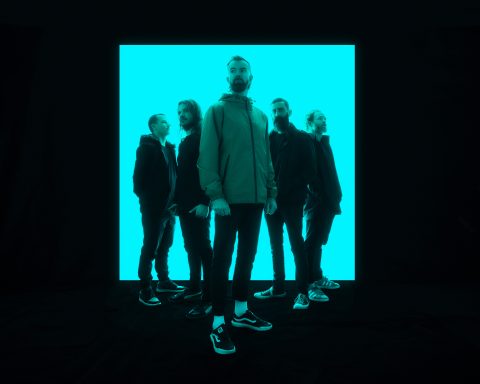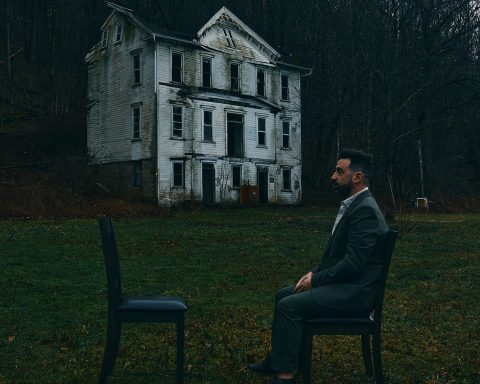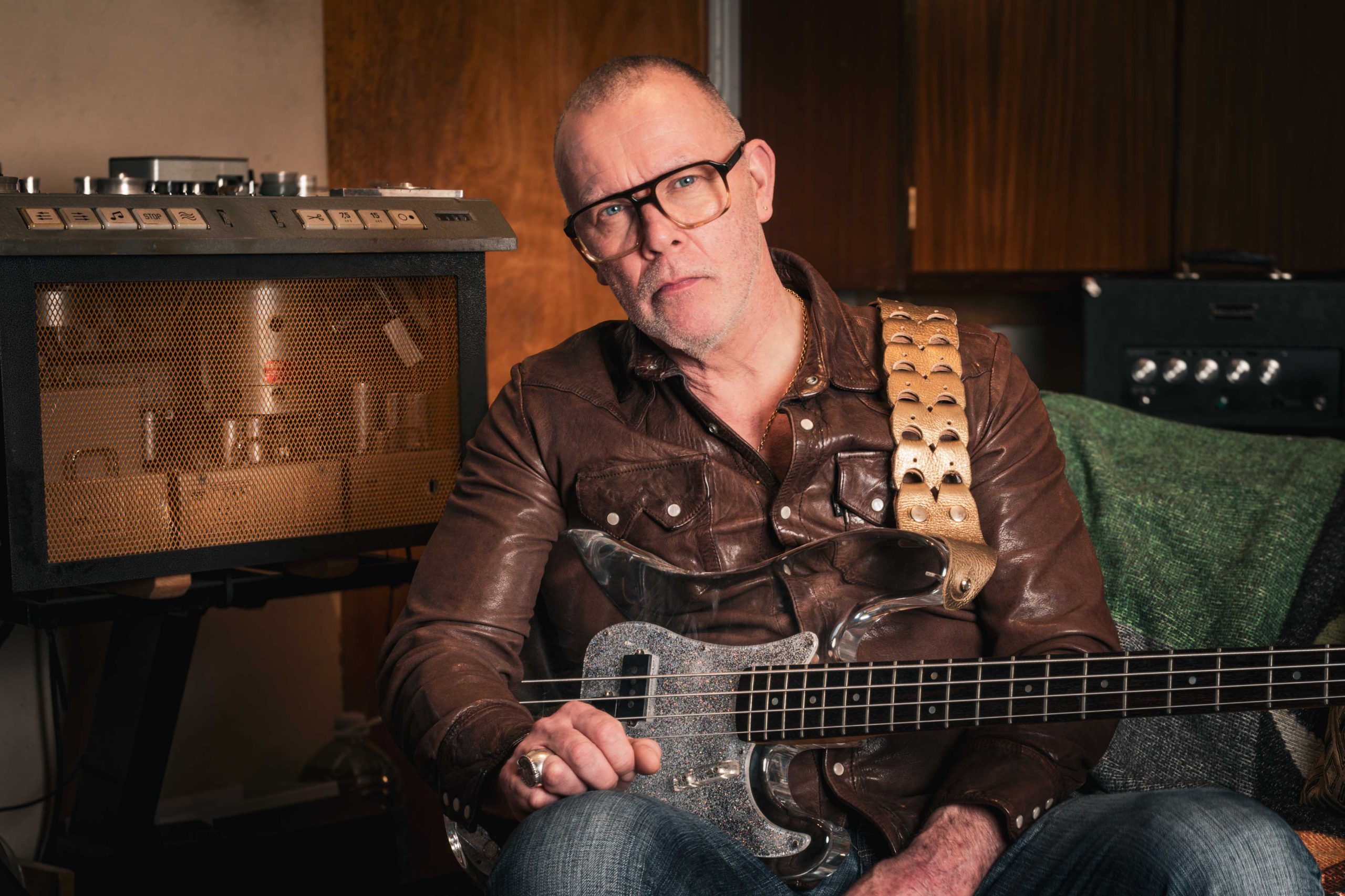


In the first of three installments in this enlightening Reverberations mini-series, Charlie Jones opens up about working alongside Robert Plant and Jimmy Page—two musicians in a titanic creative partnership that reshaped rock music more than once. This is a detailed account of how Jones earned his place in that world, what was demanded of him, and how those experiences altered the course of his life. Whether you’re a young bass player trying to get ahead in the music business, a fellow pro who can relate to Jones’s story, or simply just curious about how the Led Zeppelin music-making machine operates behind closed doors, there’s plenty to take away here.
Versatile Ventures
Grammy-winning artist Charlie Jones is best known as a bassist, but his legacy runs much deeper. He’s also a talented multi-instrumentalist, composer, producer, and engineer with a career spanning numerous world-class acts.
14 years in the Led Zeppelin sphere with Robert Plant and Jimmy Page shaped significant chapters of Jones’s professional and personal life, which he details below.
Subsequent collaborations with Siouxsie Sioux, Goldfrapp, and The Cult (his current gig) necessitated similarly distinct approaches that served the unique vision of each artist.
Part one of this eye-opening mini-series focuses on the Plant and Page years: auditions, writing, recording, performing, Grammy wins, and staying grounded in the eye of a rock-star hurricane.
Part two turns to Jones’s pivotal role playing bass with The Cult (touching on the band’s signature BOSS and Roland chorus sounds), co-creating and touring post-punk icon Siouxsie Sioux’s debut solo album, and the value of pursuing his own solo projects.
Part three explores Jones’s sonic adventures with electronic pioneers Goldfrapp, the tonal revelations inspired by BOSS pedals, and his formative years as a bassist and music lover.
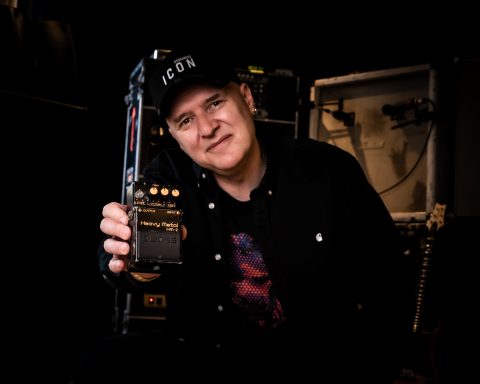
When BOSS visited Jones at his studio just outside Bath, UK, it felt like walking into a living museum. His tools of the trade are an eclectic mix of vintage, modern, rare, and classic gear, including cherished BOSS and Roland units.
In this exclusive interview, Jones charts his meteoric rise, from a struggling musician on the dole to landing endorsement deals while working with rock royalty.
But it wasn’t all plain sailing. Unexpected twists, complicated dynamics, and moments that pushed his resilience to the limit were part of Jones’s incredible journey. He speaks about it all with striking honesty.
Much of what follows has never been published before, and BOSS is honored to help Jones tell his story—one of perseverance, integrity, and survival in some of the most challenging situations imaginable.
It’s a candid tale of how to endure, adapt, and stay creative at the highest level of the music industry.
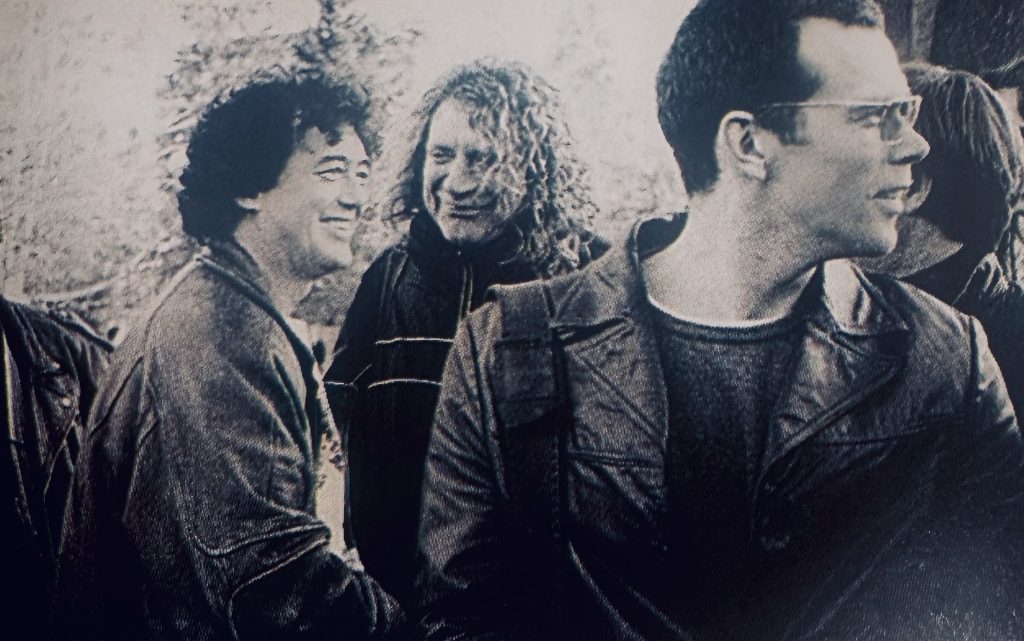
Plant a Legacy
How important has Robert Plant been to your music career?
Very important. I owe Robert Plant a lot. He changed my life, truthfully. He was gracious and made me realize what can be achieved creatively.
Do moments still arise that remind you of your musical legacy with Robert Plant?
There have been so many important moments over the years. I wrote a song for him many years ago in my flat in London called “Down to the Sea” [from 1993’s Fate of Nations], which he played in December [2025] at the Royal Festival Hall. He gave me a namecheck, which was nice.
"I was unsure about the whole thing. I remember standing at a payphone in the street, unaware that I was at a monumental crossroads in life."
Led the Way
How did the gig with Robert Plant come about?
It was Tim Palmer, the producer, who recommended me for the Robert Plant gig. I was in a signed band called Violent Blue with the guitarist Neil Taylor [Tears for Fears, Robbie Williams, Tina Turner], and Tim produced our [1985] album You’ve Got to Stay Young. Violent Blue split up in 1986, and Neil went on to become a successful session guitarist. Meanwhile, I was struggling to find work.
In 1987, I was living in a town between Bath and Bristol called Keynsham when Liam Henshall (of Londonbeat) from Right Track Studios in Bristol rang me to say there was a band in London looking for a bass player. I can’t recall their name, but I remember travelling to London for the audition. When I got there, I had nowhere to stay, so Tim Palmer kindly put me up at his place.
When I saw Tim, he told me he was producing Robert Plant’s [1988] Now and Zen record. The bass parts were already recorded by that point [by Phil Scragg], but he said Robert might be looking for a bassist, and that he would put my name forward.
Tim Palmer gave me a number to call for the Robert Plant audition, but I was unsure about the whole thing. I remember standing at a payphone in the street, unaware that I was at a monumental crossroads in life. Thankfully, I decided to go along.
"I didn’t even own a decent instrument because I was so strapped for cash."
Don’t Fret
Why were you in two minds about going to the Robert Plant audition?
The Now and Zen record was all fretless bass, so they wanted a fretless bass player. I played double bass and fretted bass, but not fretless. I didn’t even own a decent instrument because I was so strapped for cash.
What instruments did you bring with you to the Robert Plant audition?
I really had to scrape it together. My mum had given me some money to pay bills with, but I bought a fretless Westone Thunder I-A bass instead. I took the Westone bass and a Jazz Bass to the audition (even though I don’t normally play Jazz Basses either!)
What did your Robert Plant audition involve?
It was a day at John Henry’s rehearsing, followed by a day at Swanyard Studios recording.
"Robert Plant was great—a good laugh. He was very funny, and I hit it off with him immediately."
Bass Instinct
What were your first impressions of Robert Plant?
He was larger than life. And bigger than I thought he was going to be. He wasn’t like a skinny rock ‘n’ roller or introverted; he was like a lion. He was great—a good laugh. He was very funny, and I hit it off with him immediately.
The first thing Robert did when I met him was walk up to my amp and set up my sound. He made it brighter and asked me to use a pick. He had a certain tone in mind and wanted someone to play both fretless bass and traditional rock bass.
Were there any challenging moments during your Robert Plant audition?
One of the songs we were doing was in 5/4, and Robert asked me, “What time signature is this in?” I had no idea! I said, “I don’t know, what is it? 4/4? 5/4?” He just carried on and did his thing.
"I said, 'Listen, if my best isn’t good enough, find someone else.' Robert said, 'He’s alright.' He liked that."
How did you find out you had landed the gig in Robert Plant’s band?
After that rehearsal, I didn’t hear anything for three or four months while they were getting it together. Meanwhile, I’m thinking, “I’m not going to hear back from them.” But it became apparent I was in the band when they asked me to go back to London and start rehearsing again.
Was being new to playing fretless bass an issue?
During the next rehearsals, the MD said, “You can’t sing, and we need a fretless bass player,” so I said, “Listen, if my best isn’t good enough, find someone else.”
Robert said, “He’s alright.” He liked that. Plus, they wanted a visual bass player, and I was someone who moved around on stage a lot.
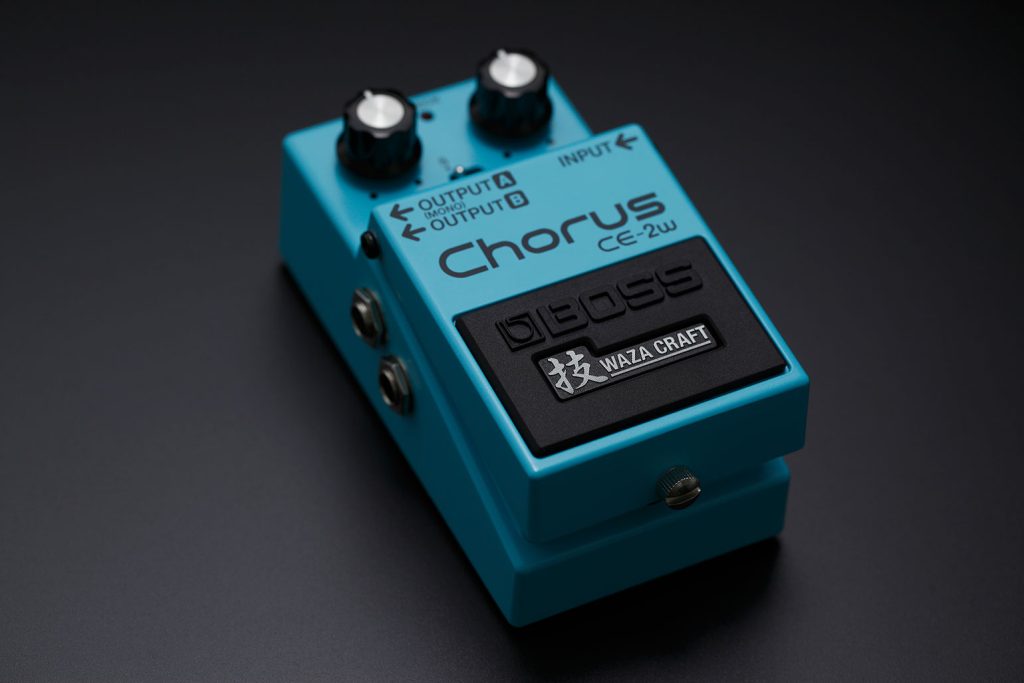
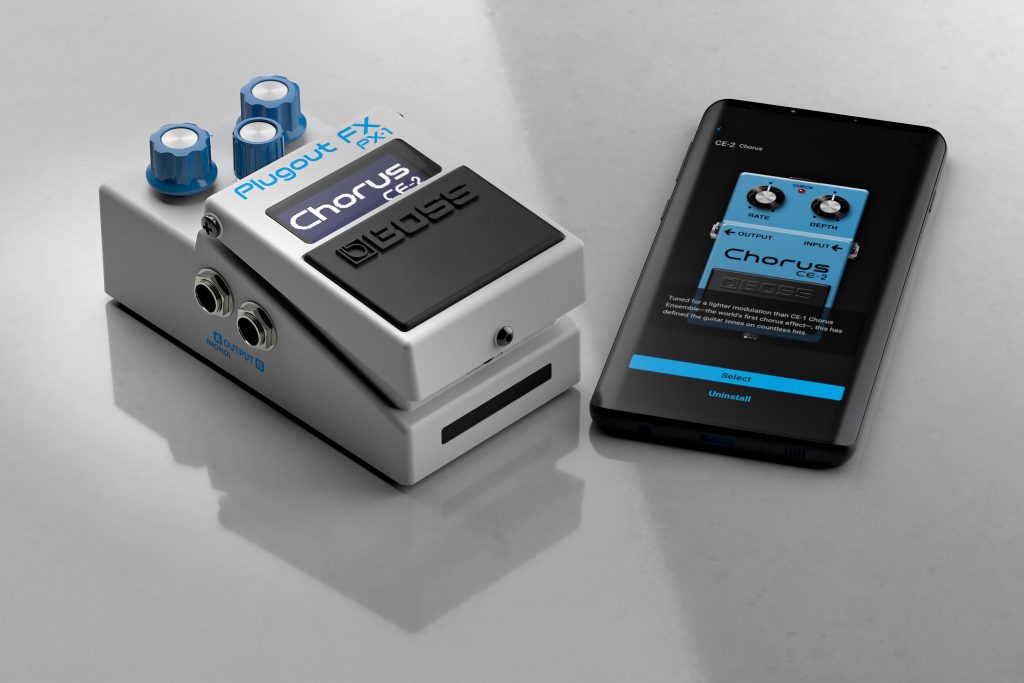
"I used a BOSS CE-2 Chorus for fretless bass... It was a very fashionable sound in the 1980s."
Powering Up
How did your rig change once you were in Robert Plant’s band?
To begin with, I didn’t have any decent amplification and needed an advance to buy some. I ended up getting two Marshall Jubilee 3560 600W Bass Heads and used them with two 2×15 and two 4×10 speaker cabs. I was moving some air!
Around that time, I also got my Warwick Streamer basses (one fretless and the other fretted). I acquired a nice Precision Bass a bit later in the early ‘90s.
I used a BOSS CE-2 Chorus for fretless bass. They wanted that kind of sound. It was a very fashionable sound in the 1980s. My use of effects expanded greatly when I started working with Goldfrapp in 2002, while recording the Black Cherry album [released in 2003].
"Robert Plant became my father-in-law. But to be honest, all the bands I’ve worked with involve human complexities."
Did you end up moving to London to be closer to the band?
Yeah. After I’d joined Robert’s band, I moved to London and set up my own studio in Hammersmith. I wrote some tracks there that ended up on Robert Plant’s records. I was using Cubase and an eight-track reel-to-reel. I had an Akai S900 sampler and started accumulating more studio gear.
How did you write songs with Robert Plant?
Very simply: Robert took demos from people, and we’d try the songs out as a band. The ones he liked, he’d use.
Hearts in Harmony
How did your relationship with Robert Plant develop over time?
It was a complex relationship for me. I was in Robert Plant’s band and had toured and recorded with him for the best part of two years before I met his daughter, Carmen. I married her in 1991.
Robert became my father-in-law. But to be honest, all the bands I’ve worked with involve human complexities. Being a serious musician often involves personal connections that go beyond the music.
"With Robert Plant and Jimmy Page, it was different: we wrote together in a room as a band."
How did that affect band dynamics?
Well, my role in the band changed because I went from being this guy who plays bass in the band to this guy who’s now the son-in-law. As I’ve gotten older, I’ve learned how hard that was for Robert. At the time, I was just thinking about how tough it was for my wife and me. But truth be told, it was tough on Robert as well.
You can imagine how the dynamic would naturally change, especially if you’ve been touring all your life and away from your family. As a father myself, I can understand that now.
Next Page
Later in the mid-‘90s, you wrote with Robert Plant and Jimmy Page—how did you find your place creatively?
With Robert and Jimmy, it was different: we wrote together in a room as a band. I spent a lot of time in different studios with Robert and Jimmy sitting down and writing. I was free to do whatever I wanted with the bass.
"Robert Plant and Jimmy Page are very creative people, and they let creativity flow freely."
What was it like working with Robert Plant and Jimmy Page?
It was a boot camp for me and, in a way, an apprenticeship. Most of the music was written in the moment. They didn’t say, “We want you to play this on the bass.” It wasn’t about micromanaging the bass parts.
They gave me space to let the music breathe and be creative. Robert and Jimmy are very creative people, and they let creativity flow freely.
Jimmy Page is also celebrated for producing Led Zeppelin. What was his approach in that regard?
Jimmy is a great producer. He knows how to get the best out of musicians and how to present it. For example, he might say, “I want more open strings on the bass,” and then put a capo on to accommodate that. He has a deep understanding of that kind of thing. He’s a clever guitarist, as we all know.
Robert is also a producer and a great creator of music and ideas. He produces his own music. Jimmy produces differently, and they have to meet in the middle.
"Robert Plant often referenced folk-rock musicians from the 1960s. He would aim for a West Coast bass sound."
Folk-Rock Fusion
What kind of bass sounds was Robert Plant aiming for?
Robert often referenced folk-rock musicians from the 1960s. He would aim for a West Coast bass sound reminiscent of Bob Mosley of Moby Grape. He was always alluding to that.
That usually entailed playing up the dusty end of the neck to achieve a more melodic sound, but this had to be achieved very quickly while setting up for the next song. I mean, there was no time to hang around. I needed to be quick on the draw with ideas.
A good example of that kind of approach to playing bass can be heard on the cover we did of The Youngbloods’ song “Darkness, Darkness” from [2002’s] Dreamland, which was nominated for a Grammy in 2002.
Another good example of that would be the cover of the Tim Hardin song “If I Were a Carpenter” from the Fate of Nations album, released about 10 years earlier [in 1993].
"You can’t direct people like Robert Plant and Jimmy Page, much like I can’t direct Billy Duffy and Ian Astbury in The Cult."
Musical Momentum
What was the creative dynamic like when writing with Robert Plant and Jimmy Page?
It wasn’t always straightforward. For example, I might play a bass part, and then Jimmy would say, “I want to play that on guitar,” so I’d have to come up with another bass part.
Other times, I might do something unorthodox on bass, like chordal stuff, and he wouldn’t blink. Whereas some other musicians would be like, “Stay down the bottom end and hold it down.” Jimmy was very creative like that.
When I say it wasn’t straightforward, I mean I had to respect the writing process. I couldn’t direct. You can’t direct people like Robert Plant and Jimmy Page, much like I can’t direct Billy Duffy and Ian Astbury in The Cult.
I can’t say, “You need to do it like this.” Those guys have a long-established method of creating, and my job as a bass player is to fit in and be part of that.
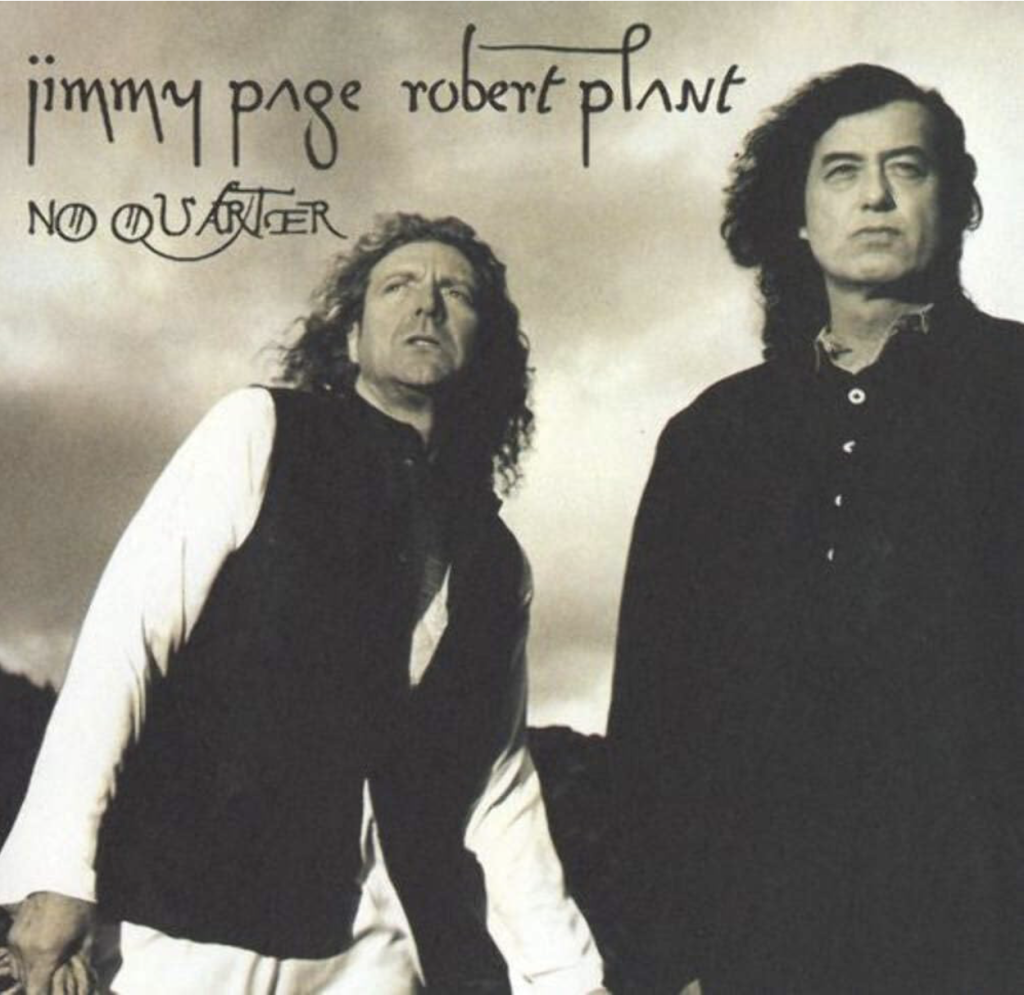
"The Unledded record was about Led Zeppelin’s catalog being rediscovered and presented in a new way. It was an epic moment."
Remaking History
How did you navigate the job of reinterpreting Led Zeppelin’s catalog while working on 1994’s No Quarter: Jimmy Page and Robert Plant Unledded?
The Unledded record was about Led Zeppelin’s catalog being rediscovered and presented in a new way. It was an epic moment. I think it’s something John Paul Jones could’ve done, but he didn’t because it would’ve then essentially been Led Zeppelin with a new drummer.
Unledded was a reimagining of Led Zeppelin material, and some of the bass parts I played were not accurate to John Paul Jones’s original lines. Jimmy would say things like, “Do you know you’re not playing ‘Ramble On’ correctly? But I like what you’re doing, so leave it.”
How did No Quarter: Jimmy Page and Robert Plant Unledded come together?
I remember our manager saying, “We’re going to do the MTV Unplugged series, but we’re going to call it Unledded. It’ll be recorded with a live audience at London Weekend Television studios.”
We got together above a pub in London to rehearse for the performances. It was so loud in that room, I used to go deaf afterwards and not be able to hear what people were saying on the phone.
"I thought, 'This is just a TV show.' I mean, I didn’t overthink it or dwell on how significant a moment it was."
At the time, were you able to gauge the significance of No Quarter: Jimmy Page and Robert Plant Unledded?
At the time, I thought, “This is just a TV show.” I mean, I didn’t overthink it or dwell on how significant a moment it was. And that’s probably a healthy state of mind to be in.
But it was an exciting period of my life all round—Carmen was there, and she was pregnant.
What was your bass setup for the live performance of No Quarter: Jimmy Page and Robert Plant Unledded?
I wasn’t using my usual live rig; I had a small amp behind me, but I’m not even sure it was a bass amp—it might have been a guitar amp.
"I wanted to go back and fix a few things, but there was no chance of that. They were like, 'The album’s done.'"
How did the recording process unfold for No Quarter: Jimmy Page and Robert Plant Unledded?
They started filming, and every now and then we’d have a break. I was sitting down one time having a cup of tea when Robert and Jimmy came in and said, “We’re going to do ‘Tangerine,’ so you’d better learn it.” I had to figure it out on the spot!
When we finished filming, they were like, “That’s a wrap… And that’s the album.” If you look at the film, it’s slick all the way through. They patched up a little bit of guitar and vocals afterward, but left the drums and bass as is.
I wanted to go back and fix a few things, but there was no chance of that. They were like, “The album’s done.”
"The excitement of Jimmy Page pushing his playing to the edge—that non-safety factor—is breathtaking."
Peak Performance
Do you have any favorite moments from No Quarter: Jimmy Page and Robert Plant Unledded?
“Since I’ve Been Loving You” is great. Jimmy Page is on fire. His playing is astounding. He walks that line, where you don’t know how it’s going to go. Then he lands it, and it’s completely mind-blowing.
The excitement of Jimmy Page pushing his playing to the edge—that non-safety factor—is breathtaking. Truly great rock music is all about that. Billy Duffy is the same. He’s the only lead instrument in The Cult, and he really pushes it.
Robert’s vocal performance on “Since I’ve Been Loving You” was equally exciting. That’s the thing with those guys—there’s no safety factor. Bringing in the Egyptian ensemble, led by the great percussionist Hassan Ramzy (who, sadly, passed away), was Robert’s idea. Robert was instrumental in expanding the sound in that way.
"'Since I’ve Been Loving You' is great. Jimmy Page is on fire. His playing is astounding."
Which other favorite moments from your time with Page and Plant stand out?
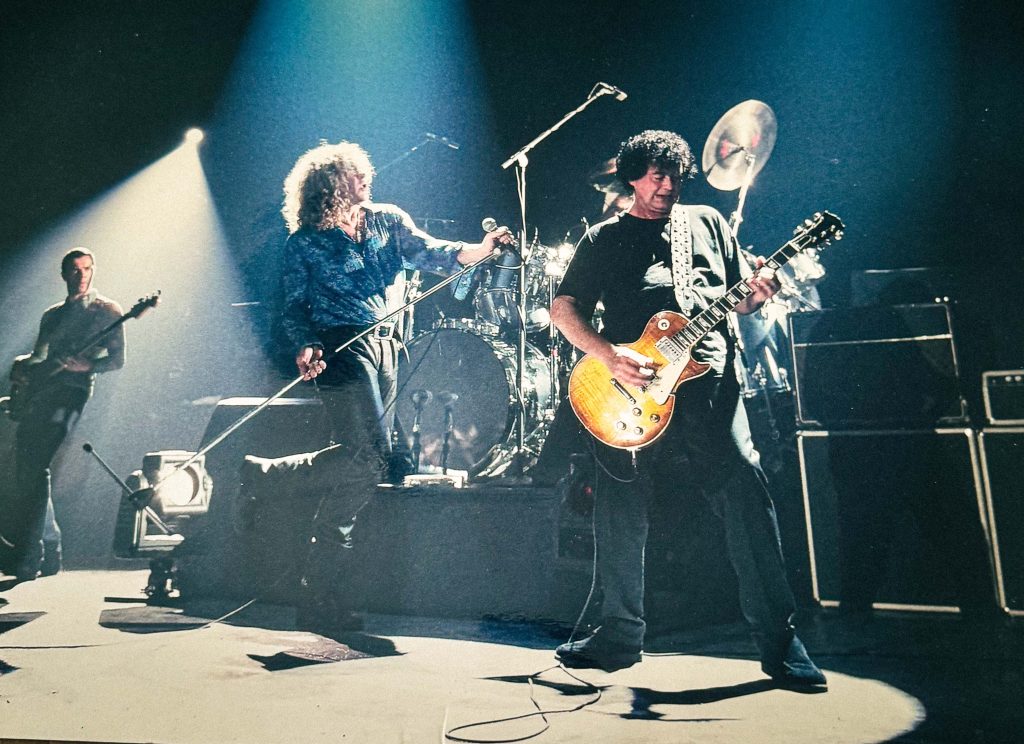
Another favorite moment with Page and Plant was when we performed “Wanton Song” live on TV in 1998. That was the first time I used my plastic Nightingale bass.
When Jimmy saw it, he was like, “What the hell is that?!” I had it delivered the night before, and it still had the chrome covers on it. It was a bit of a risk playing it that night, but I leaned into the challenge.
There were lots of incredible moments playing with Page and Plant live. I remember playing in Mexico City, and we did “Black Dog” as an encore. The audience wouldn’t leave!
"Led Zeppelin was conceived by Jimmy Page, but both Jimmy and Robert were band leaders (albeit in different ways), and this was a new situation."
Rising to the Challenge
Did you have any difficult moments playing live with Page and Plant?
With Page and Plant, I was playing massive gigs like Meadowlands Arena and Madison Square Garden. Sometimes, I’d feel relaxed and focused before going on stage—like a boxer—but then three songs in, I’d get an anxiety attack.
I’ve got pretty thick skin, but no more than any other musician who’s had to build a bit of resilience. It amounts to the same pressure, whether I’m playing a pub gig or a stadium.
How did the band dynamic change when Jimmy Page came on board?
Jimmy had his own priorities when he got back together with Robert. But he was walking into Robert’s band—with Robert’s rhythm section. So, naturally, when he came in, he had to find a way of putting his own stamp on the project.
Led Zeppelin was conceived by Jimmy Page, but both Jimmy and Robert were band leaders (albeit in different ways), and this was a new situation.
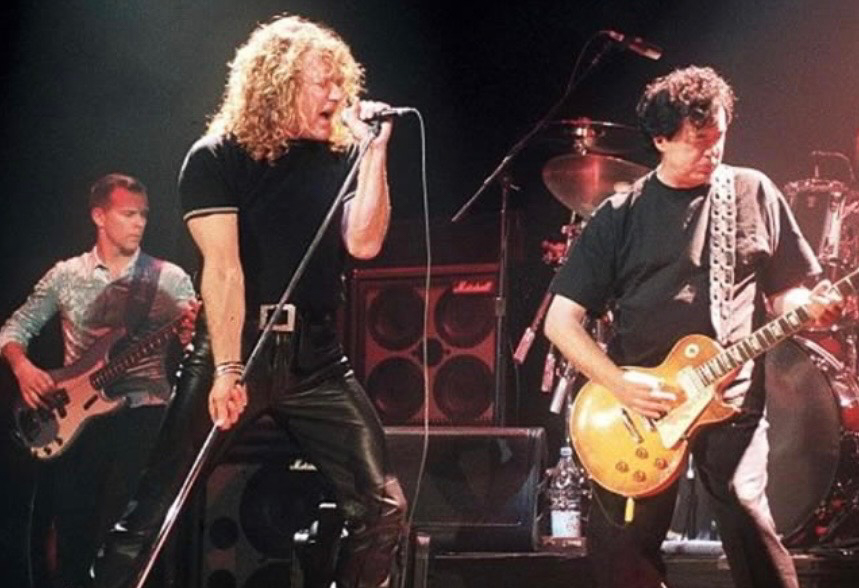
Jimmy Page and Robert Plant are a formidable force—did they put you through your paces?
When Jimmy and Robert decided to work together on the Unledded project, Jimmy spent a series of days working with our drummer, Michael [Lee, 1969-2008], and me on our own at John Henry’s in London. The idea was to see if he was happy with us as a rhythm section. Robert was confident it would work out well, and it did.
Jimmy and Robert had to be quite hard on me sometimes, but only in ways that you would expect. If you do a gig with anyone like that, it’s not gonna be like having your own band; you’re being paid, and they can have anyone they want, pretty much.
Music First
How firmly did Jimmy Page and Robert Plant stick to their musical vision?
Both Jimmy and Robert were excellent guys to work with as musicians and band leaders. There were complex dynamics, but not at the expense of their musical vision. That was always the zero point with them.
Whether or not they thought, “We need a different bass player, a different drummer, or a different producer,” the music always came first. With both of them, it really did. Whatever was happening, their priority was the music.
"Robert Plant and Jimmy Page are both human beings with insecurities, just like me or anyone else."
Simply Human
Did you ever feel intimidated working with Robert Plant and Jimmy Page?
No. I’ve never been intimidated by anyone I’ve worked with. I wouldn’t be able to do what I do otherwise.
People tend to suffer the same insecurities, no matter what level they’re at. Robert and Jimmy are both human beings with insecurities, just like me or anyone else.
Did Robert Plant and Jimmy Page’s straightforward approach ever catch you off guard?
It might not have been a bowl of cherries, but at least you know what you’re dealing with. It wasn’t like those situations where you think someone’s a really nice guy and then find out they’re dissing you.
If Robert and Jimmy were going to diss you, they’re more likely to do it to your face.
"I understood that if Jimmy Page was going to teach me something, he would play it maybe twice, and that’s it."
Poise Under Pressure
To what extent did Robert Plant and Jimmy Page’s fame add pressure, and did your prior experience make things easier?
Even though Robert is a legendary singer and Jimmy is a legendary guitarist, I had a better handle on it and knew what was expected from working with Robert beforehand.
Like if someone called me now and said, “We want you to play bass with AC/DC,” it would be far less intimidating if I’d previously played with Angus Young in a solo project.
In what ways was it a challenge working with a legendary guitarist like Jimmy Page?
I understood the language. And I understood that if he was going to teach me something, he would play it maybe twice, and that’s it. You’d really have to listen and recognize the subtle cues. It could be just a small movement of his arm or something.
"Steve Albini had an incredible work ethic and absolutely concrete principles."
Walking Into a New Chapter
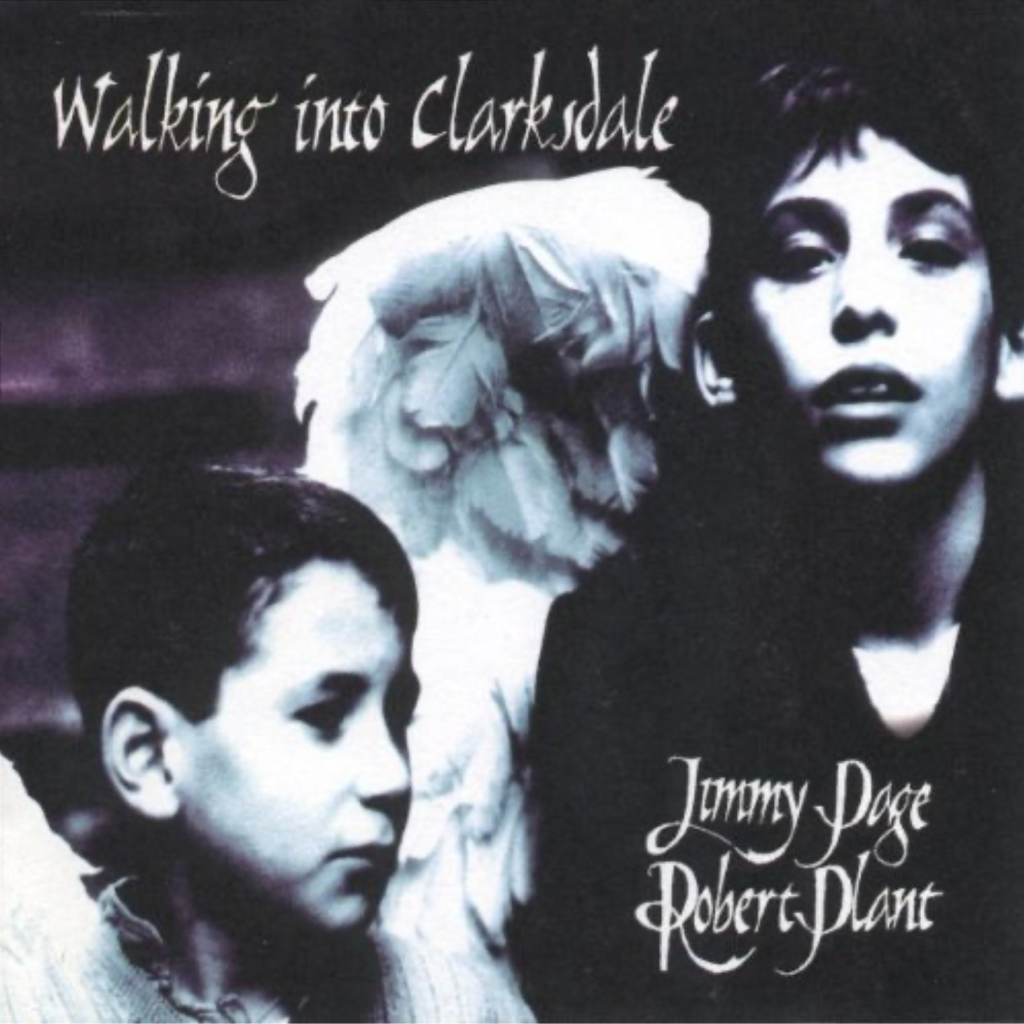
Steve Albini recorded and mixed 1998’s Walking into Clarksdale Page and Plant album—what was it like working with him?
Steve Albini was a great help to me—super supportive. He had an incredible work ethic and absolutely concrete principles. He didn’t want a production credit—just his fee.
When Steve got the gig, Robert and Jimmy said they wanted to start recording at RAK Studios in three weeks’ time, but he told them he couldn’t because he’d already committed to a band in his studio [Electrical Audio in Chicago, IL]. They weren’t even a signed band, but he’d given them his word, and he stuck to it resolutely.
Steve Albini was all about getting the record moving with minimal fuss. He did a great job and was 100 percent committed to making music. He insisted we go to Studio Two, Abbey Road, but while we were at RAK, he’d stay there and sleep on the couch. When he wasn’t working with us, he’d go off to play with his band, Shellac.
"Steve Albini has almost mythical status."
What are your favorite memories of Steve Albini?
He was really nice, and so was his wife [Heather Whinna]. She ran a record store in Chicago, and Steve gave me a vinyl copy of “Dream Baby Dream” by Suicide as a gift. Suicide are one of my all-time favorite bands, so I loved that.
I’ve been lucky to work with a lot of great producers in Robert’s band, like Chris Hughes and Phill Brown, but Steve Albini has almost mythical status now.
Live and Loud
What was different about working with Steve Albini?
When he first came into the rehearsal room, he’d put his ear right up to my speaker while I was playing and listen to it. He’d walk around the room listening. I often used my Wallace and HH gear to record, but he was more into what I used live.
"Steve Albini liked to record what people would normally hear live."
Steve liked to record what people would normally hear live. He was like, “If you use Marshall Jubilee heads with 2x15s and 4x10s, that’s what I’m going to record.” Robert even had a small PA set up in the room.
We set up in Studio Two at Abbey Road, and he mic’d the room and the walls to record all the slap that was going on. We’d capture a take and go up to the control room for a listen, then look at each other and say, “This sounds awful!”
He told us, “Wait a second. You’ve just been playing. Let your ears settle down, then listen to it.” And he was right. It sounded great. He was a clever guy.
"'Most High' won the Grammy Award for Best Hard Rock Performance in 1999. I also co-wrote the song 'Please Read the Letter,' which won Record of the Year at the 2009 Grammy Awards."
Did Steve Albini share any funny stories with you?
Steve told me a story about when they were first on the road with Shellac. Instead of travelling with a big suitcase, they’d wear a suit, then go to a charity shop and trade it in for another one.
Unfortunately, Steve and someone else picked up a nasty disease—some dreaded lurgy—from those old clothes and ended up in the hospital!
Winning Approach
The Walking into Clarksdale sessions with Steve Albini spawned Grammy wins. Tell us about that.
A song I co-wrote for Walking into Clarksdale, “Most High,” won the Grammy Award for Best Hard Rock Performance in 1999. I also co-wrote the song “Please Read the Letter,” which won Record of the Year at the 2009 Grammy Awards. We wrote that song together in the room.
“Please Read the Letter” was a good song, which Robert loved. He had a bigger vision for it and rerecorded it with Alison Krauss for their [2007] Raising Sand album, produced by T Bone Burnett. Raising Sand itself won Album of the Year at the Grammy Awards that same year.
"Successful songwriting is an organic process, and you don’t have ultimate control over the outcome."
Did you have any inkling that “Most High” and “Please Read the Letter” would go on to be so successful?
I’m really happy about that, but it wasn’t something we were specifically aiming for while we were writing and recording with Steve Albini. “Please Read the Letter” and “Most High” just flowed into place. I wasn’t thinking, “I’ve just written a Grammy-winning song.” It was a big surprise.
The point is that successful songwriting is an organic process, and you don’t have ultimate control over the outcome. It’s far better to simply focus on making the best music you can, in the moment, and leave it up to the world to decide later.
Recording is strange in the sense that you often don’t realize how good something is until way after the event. Striving for something is good, but trying to understand where it might take you is another matter.
"I want to dig deeper into my playing and get back to where I was at the beginning of my musical journey."
Future Forward
Looking forward, what are you most excited about exploring in 2026?
I’m looking forward to doing more writing under my own name or under the name The Captain Francisco. I could do a live production with that.
I’m also very much looking forward to doing more stuff with The Cult. They want to work on further material, and it’ll be interesting to write with them.
Doing more improvisational work with my double bass excites me, too. I want to dig deeper into my playing and get back to where I was at the beginning of my musical journey. I want to explore my tone.