

Nova Twins don’t sound like anyone else. And that’s the point. From the very start, singer/guitarist Amy Love and singer/bassist Georgia South built their music around instinct, curiosity, and a pedalboard full of possibilities. The duo’s explosive blend of gnarly bass, wild guitar, and powerful rhythms has blazed a trail that denies neat labels. Much of that singular sonic identity comes from pushing effects pedals to their limits—including their ever-reliable BOSS stompboxes. Some of the ingredients behind those sounds are shared openly here; others remain part of the band’s closely guarded “secret sauce.”
Raw Power
Experimentation has always been central to the Nova Twins method. Ideas often accumulate using voice memos before being shaped into demos and fully realized studio recordings. During this process, BOSS pedals become instruments in their own right—tools for inspiration as much as tone.
That same curiosity carries over to the stage, where Love and South constantly refine ways to recreate the dynamic energy of their studio tracks in real time. Rather than relying on playback safety nets, they prefer the challenge of physically controlling the organized chaos beneath their feet.
The Nova Twins’ hands-on music-making philosophy reflects how they approached their career from the beginning. Long before algorithm-driven hype infiltrated music culture, Love and South built their reputation through relentless gigging. The UK’s grassroots circuit became their proving ground, helping the band develop a ferocious live show and a loyal community.
True Vision
As Black women operating in corners of rock that historically lacked visible representation, they recognized the importance of using their platform to amplify fellow musicians who weren’t getting the attention they deserved. But staying true to their vision hasn’t always been easy.
Industry expectations often pushed for safer stylistic territory, yet Nova Twins refused to dilute their identity. Instead, they doubled down by trusting their instincts, embracing experimentation, and confirming that originality still resonates when artists have the conviction to follow their chosen path.
BOSS sat down with Nova Twins to talk essential gear, creative ethos, and how they’re breaking the mold in an industry that can easily burn artists out.
Family Affair
How did you first meet and start playing music together?
Amy Love: We met through Georgia’s brother. I went to college with him, and we played music together. He introduced me to his family, which was really nice.
How did you come up with the name Nova Twins, and what does it mean to you?
Georgia South: We had the name Twins first. Amy and I used to hang out all the time, and we were very in sync; we had the same vision and goals. We were in separate musical projects in our teens, but we always ended up on the same bill together. We felt like family, so the name Twins seemed fitting when we eventually decided to be a band.
So the name Twins came first. Nova means new in Latin [feminine] and also relates to supernova—exploding energy.
"We’ve spent years building our pedalboards, and it's been really fun."
Georgia South
Pedalboard Power-Up
How would you sum up the Nova Twins’ sound for someone hearing you for the first time?
AL: We’re essentially a duo, so, in that sense, it’s a really simple setup. But our sound is a big genre clash. It’s heavy, bass-driven, distorted music that grooves with hip-hop-inspired beats, dancey electronic beats, rock riffs, and electronic riffs. People often ask, “Is that a synth?” But it’s guitar music, and we use a lot of pedals.
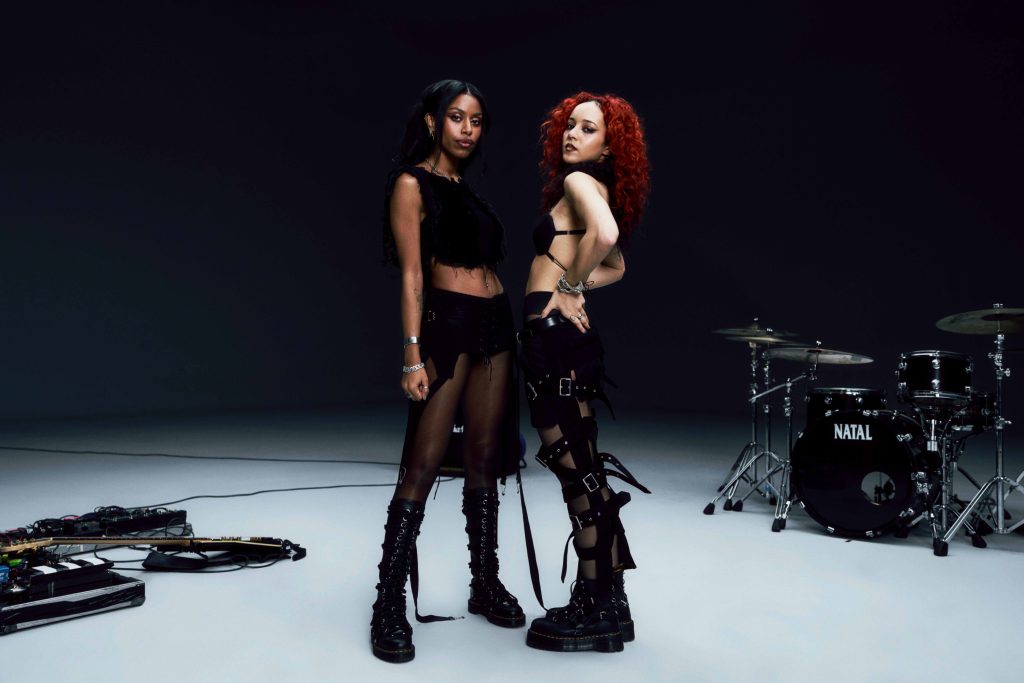
GS: With our live drummer, we’re like a classic power trio—just bass, guitar, and drums. People often ask, “Do you use backing tracks or synths?” But we just grew our pedalboards. We love the challenge of using pedals manually to stomp on and play around with.
We’ve spent years building our pedalboards, and it’s been really fun. It all started with us just being young girls experimenting and wanting to be in a band. It’s amazing how far music can take you.
Grow with the Flow
Which songs do you enjoy playing live the most right now?
GS: I would say “Antagonist” and ”Glory.” And I like the weirder songs like “Sleep Paralysis” and “Drip.”
AL: “Cleopatra!”
GS: Yeah, “Cleopatra!” We’ve got loads of different kinds of flavors, like “Hummingbird,” which is in the trip-hop realm.
Are there any sounds or approaches you purposely steer clear of when creating music?
GS: We try to be as inventive as possible and avoid anything that sounds like it’s been done before.
"We usually sit at home, experimenting with pedals for hours, like a laboratory."
Georgia South
AL: I think it’s important not to restrict ourselves. When we’re making, we’re not trying to consciously make it a specific thing or a hit. We’re not trying to make it anything other than what it is in the moment. When we create, we experiment.
On the last album [Parasites & Butterflies], there were so many different vibes. The song “Soprano” was very different for us, but we didn’t shy away; we leaned into it.
“Monsters” is darker and more emotional than a lot of our other stuff, but we didn’t think, “That’s too different for us.” We went with it to see what would happen.
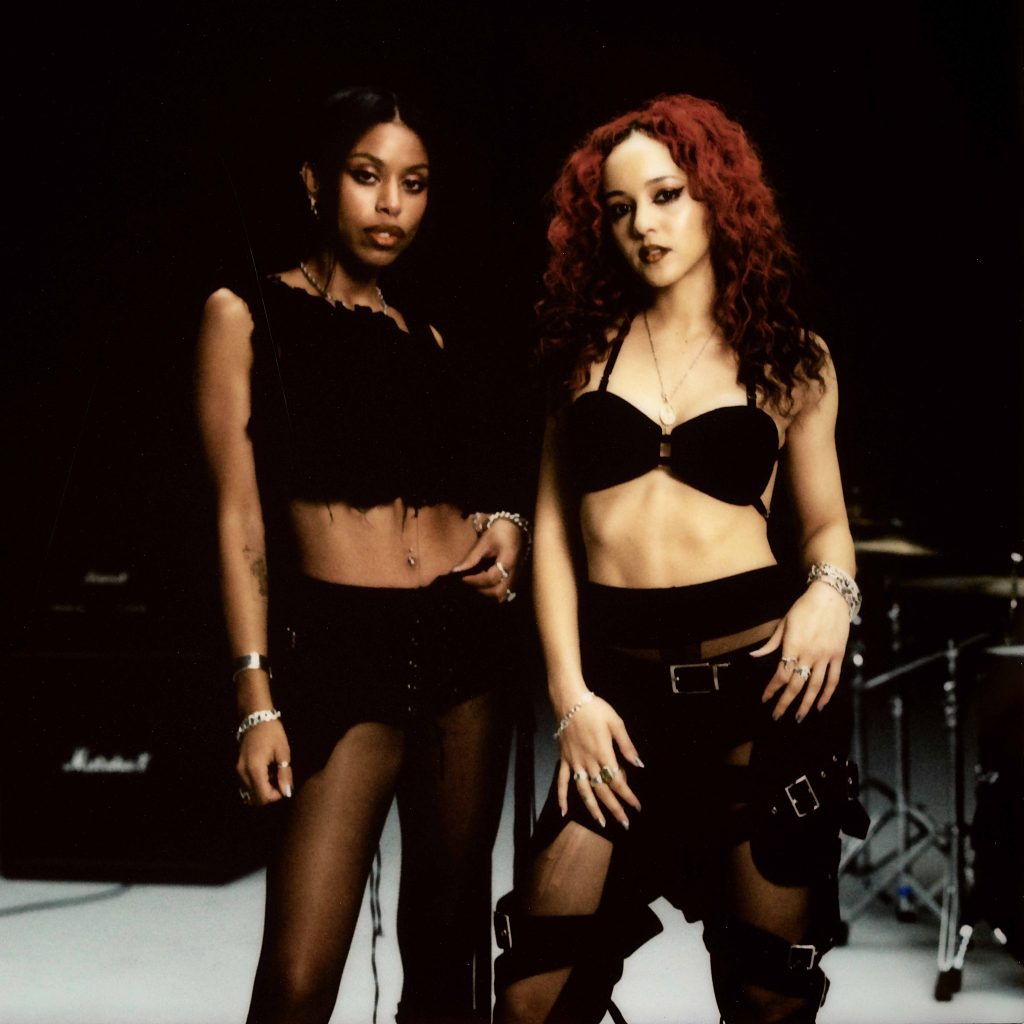
Pedal Lab
How do your songs usually take shape?
GS: We usually sit at home, experimenting with pedals for hours, like a laboratory. Then we’ll send ideas back and forth. Making Parasites & Butterflies felt like a conveyor belt factory because we had such a short time limit.
We often worked on multiple songs at once. Some tracks, like “Antagonist” and “Choose Your Fighter,” came to life when we got together and jammed them out.
How do you go from a rough idea to a working demo?
AL: When we’re writing, we lay demos down in Logic using our pedals and guitars, but the ideas sometimes start from voice memos. We could be humming something or have an idea for a melody or a lyric, and we’ll just put it on a voice memo to remind ourselves later.
"Our recordings capture moments in time, but we grow from that. We’re always moving forward."
Amy Love
Do you lay down drum tracks in Logic, or develop them with a live drummer?
GS: We program all the drums to build our demos into a full song. We love to have all the details and every idea down in Logic, then we’ll take it to a rehearsal and play with a live drummer.
Sometimes the songs shift because we love playing live. We play them live before going into the studio to record, and do as much pre-production as possible before the final recording stage.
Live Translation
How do you translate your studio sound into a live show?
AL: It’s always fun trying to figure out how to do it live. We learned a lot from making Parasites & Butterflies, especially when it comes to translating the tracks on stage. Our records are always a bit different from the live experience. We might extend a song or even add a whole new section.
Once we’ve written and recorded a song, we’ll usually start adding to the writing for a live show, which is nice because the audience gets something slightly different. We’ll stay true to the vibe and melodies, but there’s always something extra. We just can’t help ourselves.
Listening to a record is very different from the live experience. With a studio recording, we’re aware that people will listen to it digitally or on vinyl. Live music is such a different experience, and people want more than just a quick moment.
There’s an instinct to flesh out our live shows and give people more of the experience, because we have more to say. Our recordings capture moments in time, but we grow from that. We’re always moving forward.
"We love BOSS pedals. We’re really excited about our latest ones, and they're on the boards."
Georgia South
BOSS Fresh
Which BOSS pedals helped shape the sounds on your latest album, Parasites & Butterflies?
AL: There are loads, but we can’t name them all because it’s our secret sauce!
GS: We love BOSS pedals. We’re really excited about our latest ones, and they’re on the boards.
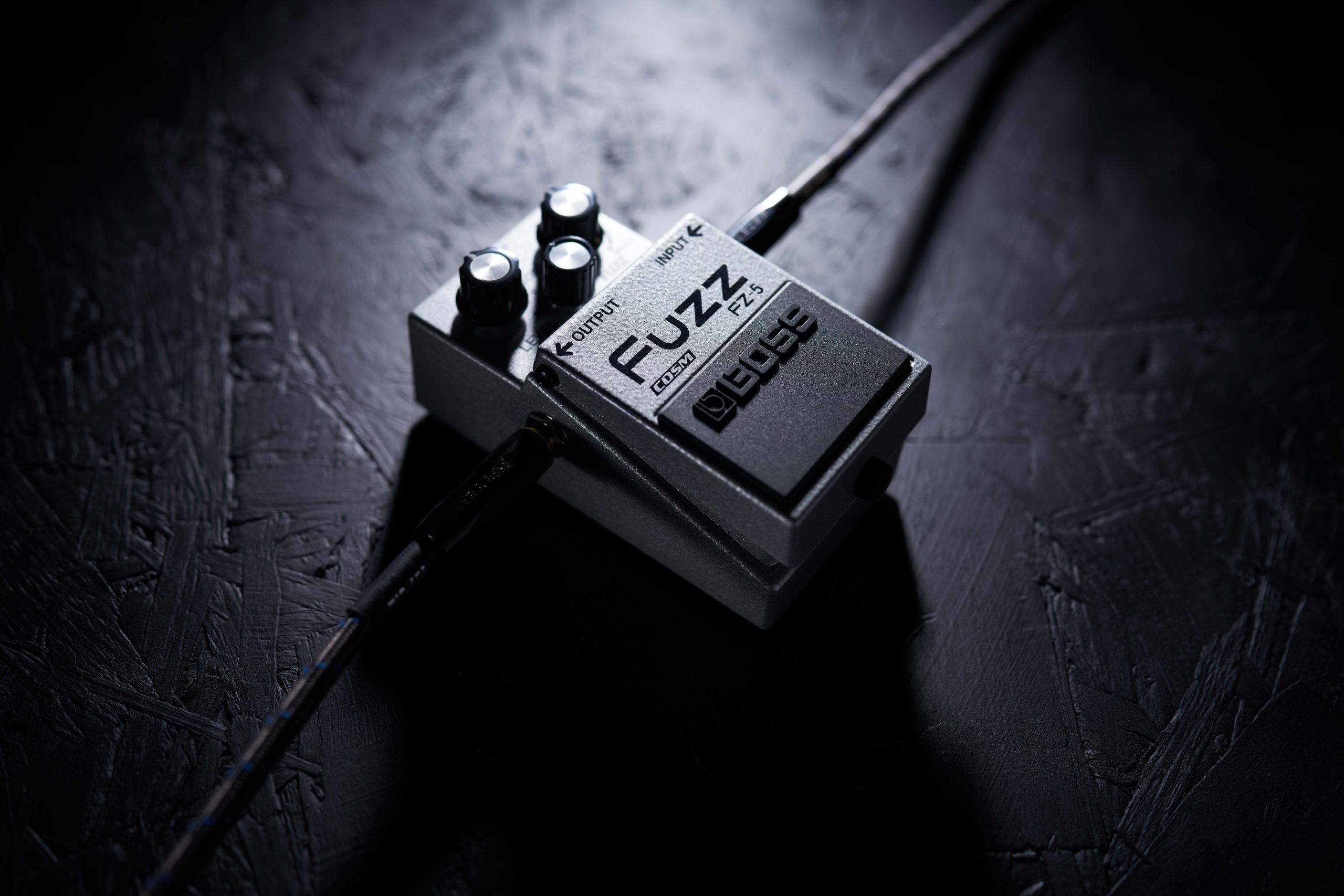
AL: I love the FZ-5 Fuzz. That’s so cool. The octave fuzz mode is really fun, and I get a really interesting tone out of it that sounds like a wasp. I’ve actually been incorporating FZ-5 sounds into older songs, like the solo section in “Antagonist,”
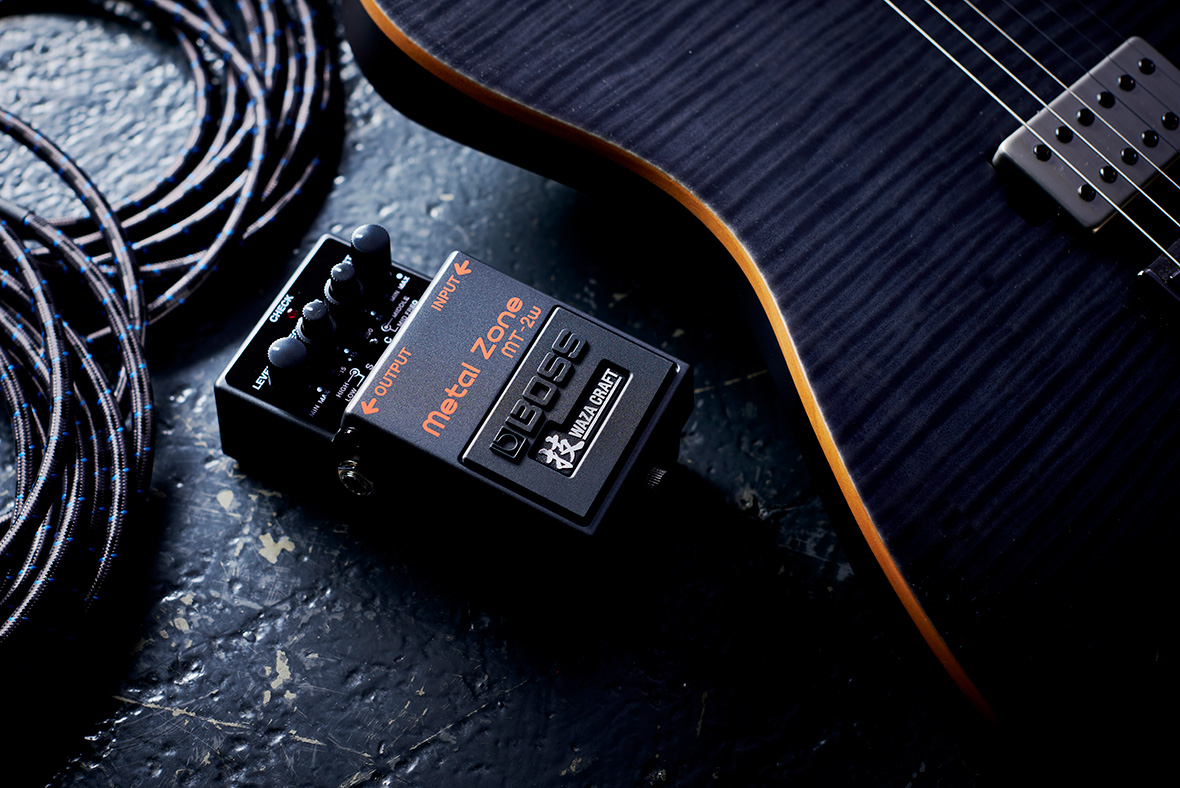
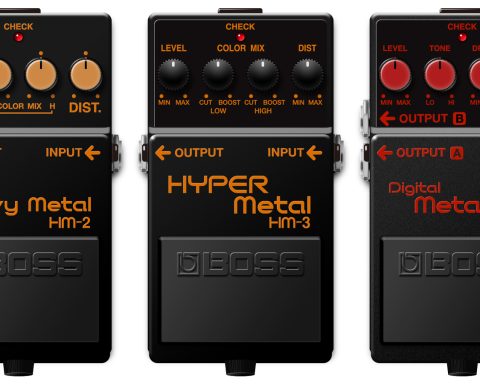
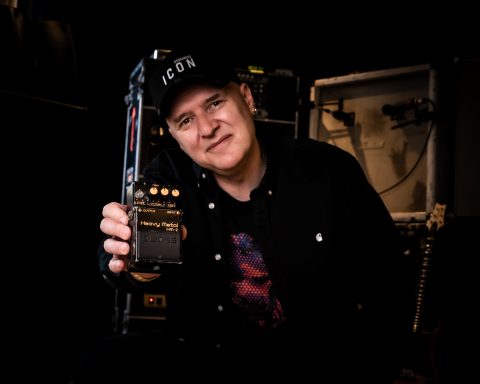
The [MT-2W] Metal Zone is great, too. I think the BOSS Metal Zone is such a misunderstood pedal. If some people took a little more time dialing it in, they’d realize just how brilliant it is. The Metal Zone sounds wild and has become a big part of my sound.
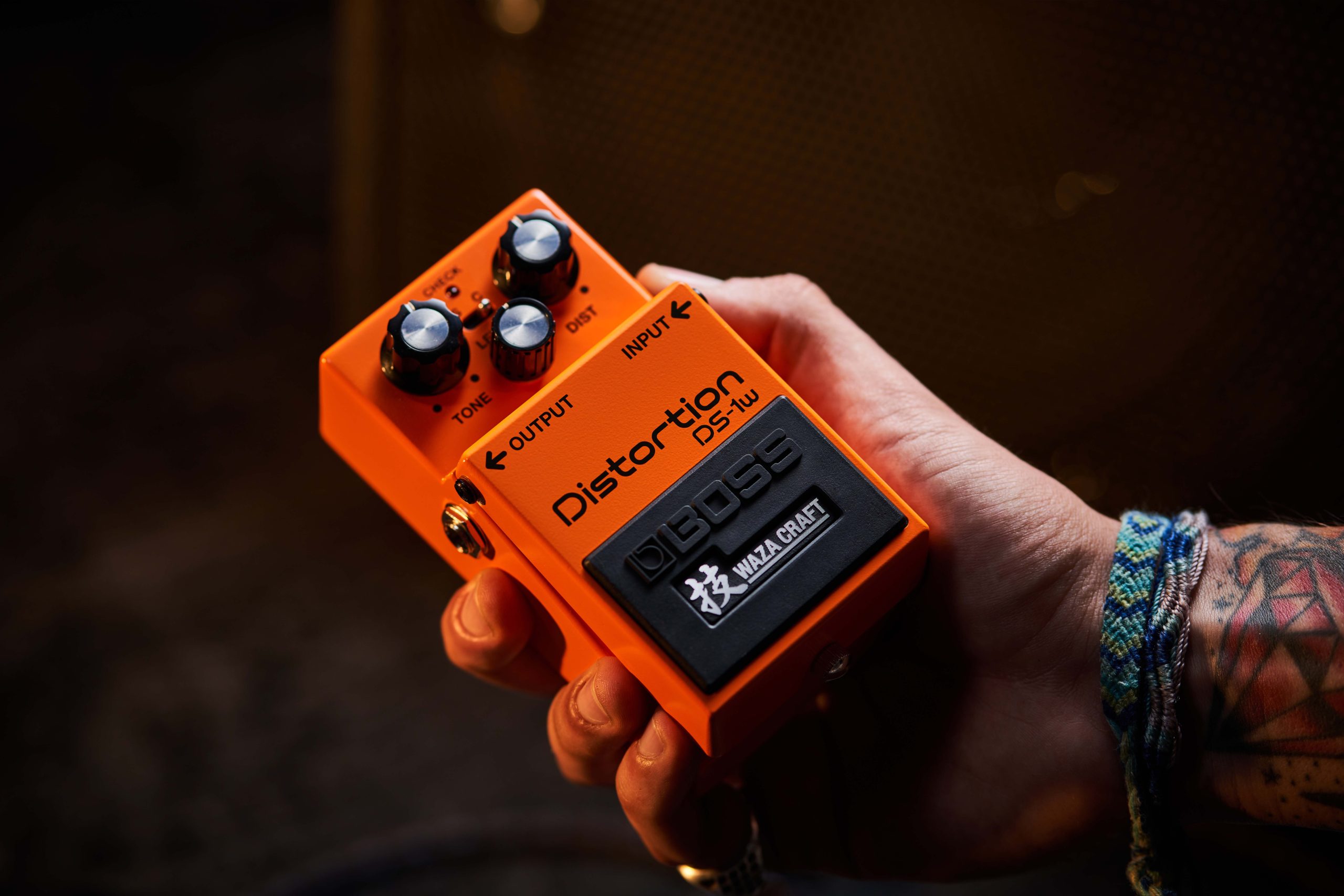
GS: The Metal Zone is wicked on bass as well. You can really tailor your sound with it. I got a Metal Zone and the DS-1W Distortion—the Waza Craft version.
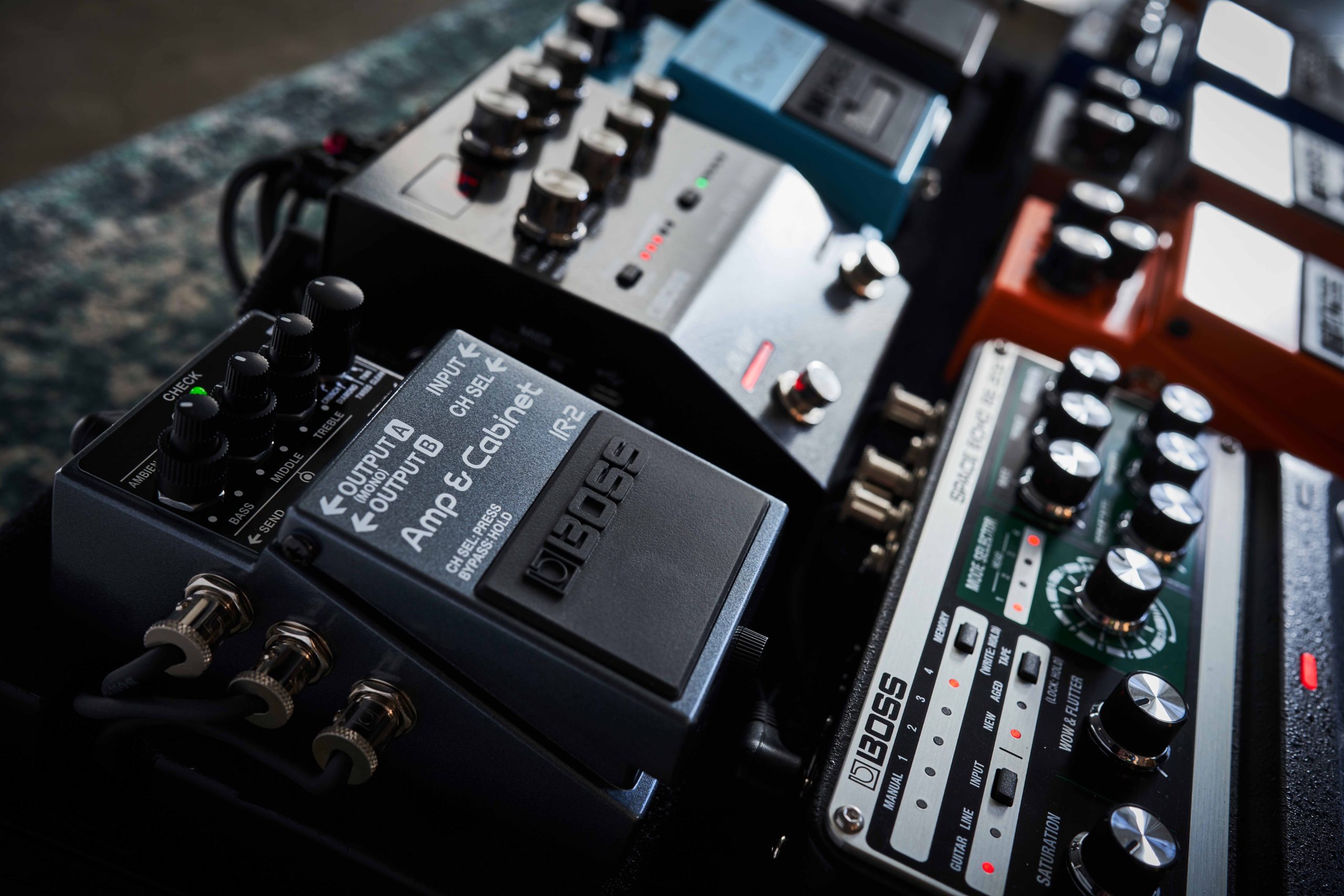
The BOSS IR-2 Amp & Cabinet pedal is really cool. It’s just gone on my board recently, so I haven’t used it live yet, but I’ve been using it a lot lately for distortion and fuzz sounds. It’s so versatile. You can get loads of different sounds out of it.
"I think the BOSS Metal Zone is such a misunderstood pedal. If some people took a little more time dialing it in, they’d realize just how brilliant it is."
Amy Love
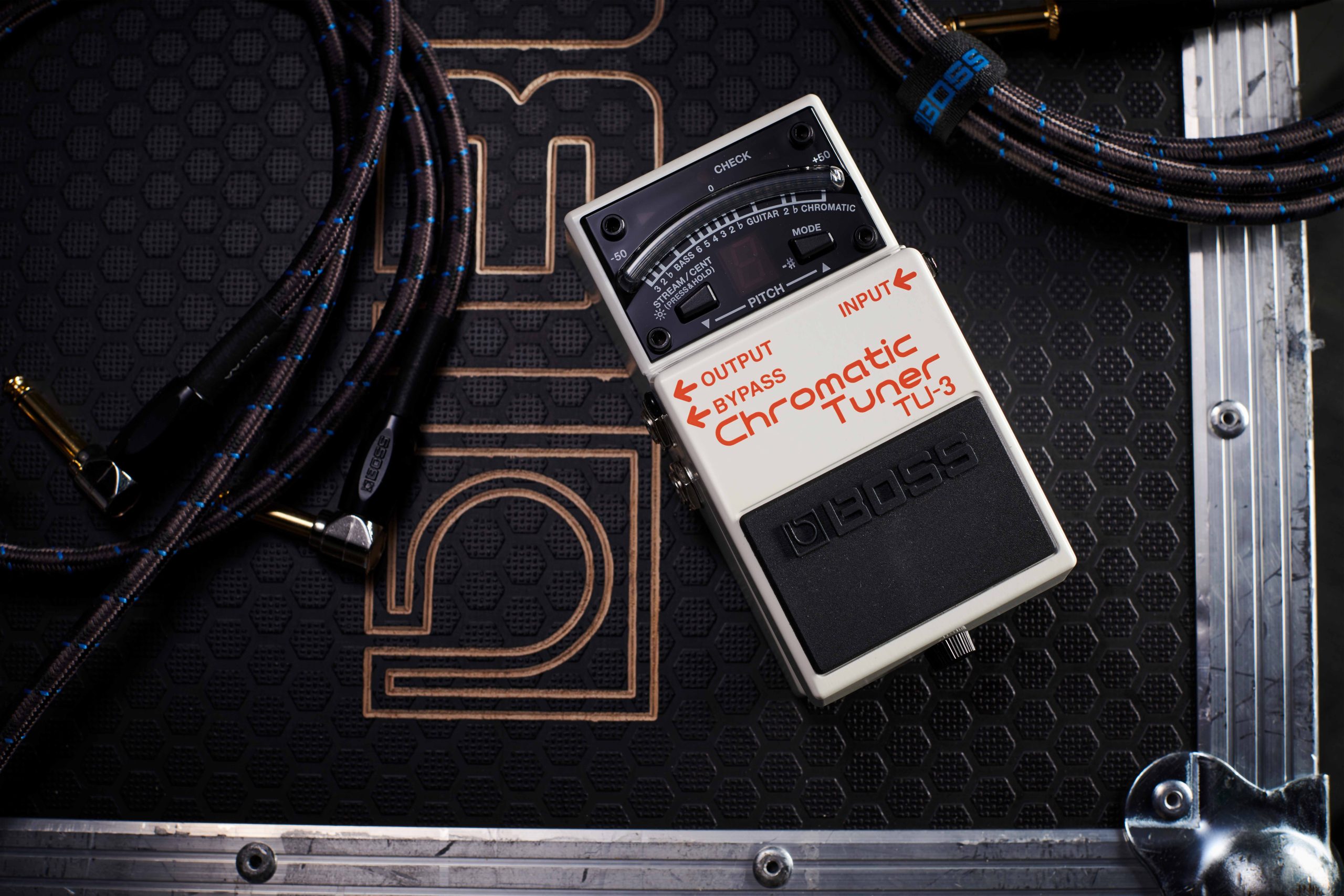
AL: The black TU-3W [Chromatic Tuner] with the blue and green lights is one of my favorites. Some of the guys in our team were like, “That’s a good-looking tuner!”
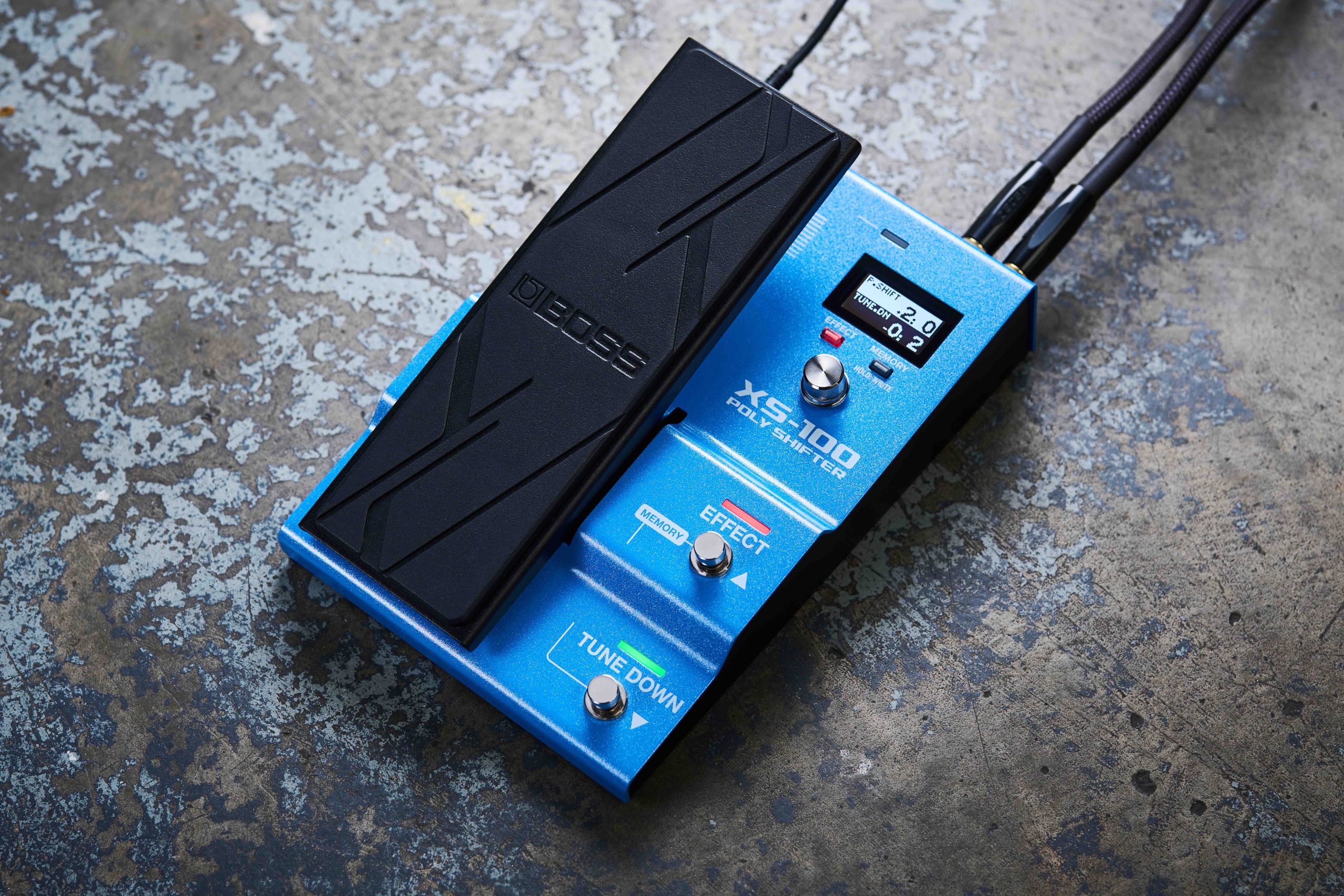
GS: The XS-100 Poly Shifter is insane. I love the pitch-shifting control it gives you. I like going from high to low using slow pitch changes and playing with the speed. It feels really natural. Lately, I’ve been setting the XS-100 to two octaves above and below, but I’m excited to delve deeper into harmonization.
What sets the BOSS XS-100 Poly Shifter apart from other pitch-shifting pedals?
GS: The tracking is excellent; I mix the XS-100 with a ton of crazy sounds from other pedals, but it’s so consistent. And it doesn’t alter the tone of my other effects, which is massively important.
The XS-100 preserves the sounds of different pedals on my board, no matter how extreme or subtle the settings are. It’s the most consistent pitch shifter I’ve ever used in terms of sound quality. Other pitch shifters often sound too messy and glitchy.
Do you remember the first BOSS pedal you ever owned?
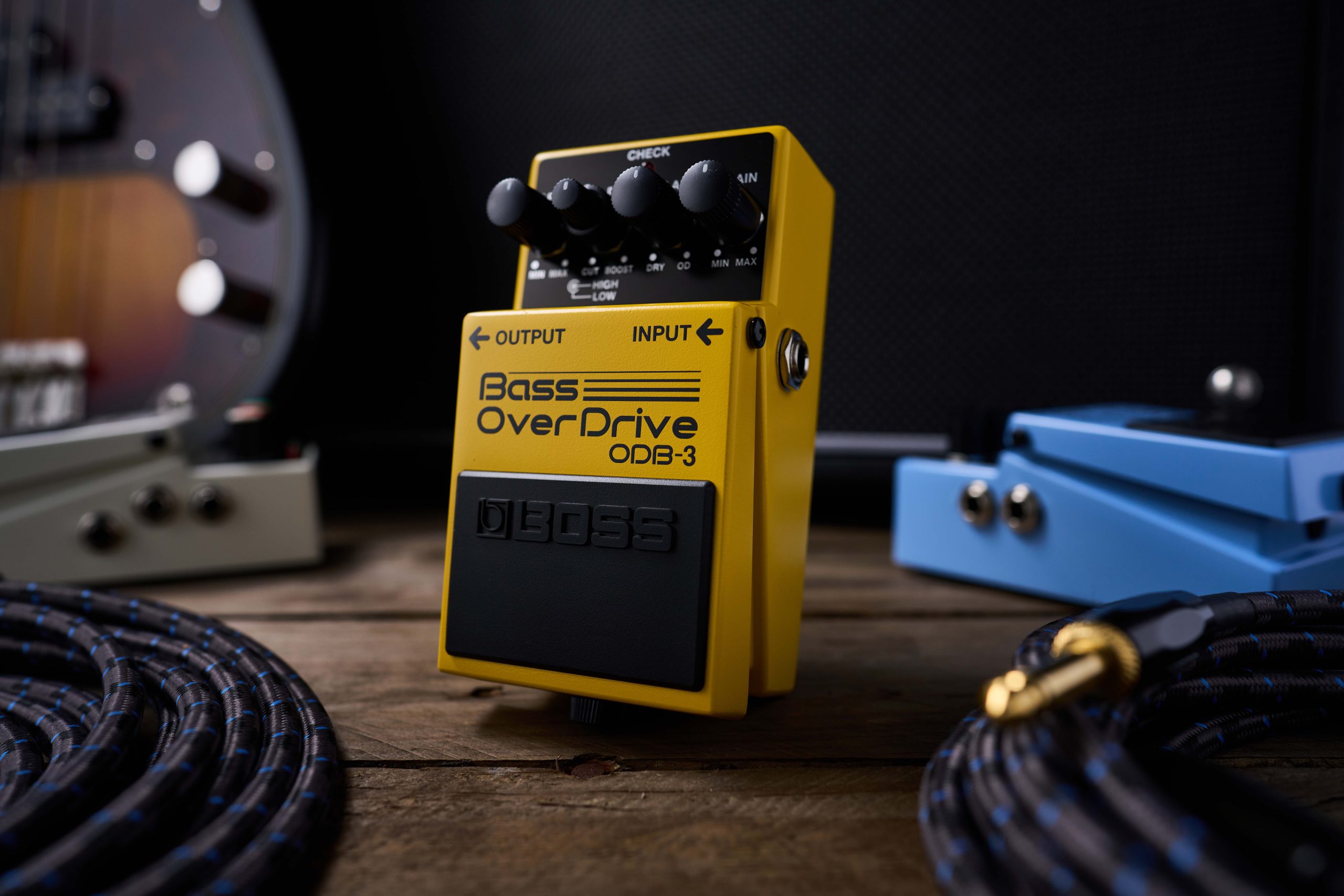
GS: It was the BOSS ODB-3 Bass OverDrive. I’ve still got it—it’s still going strong. It was the perfect first pedal for bass because it’s easy to get a great sound out of it. It’s gnarly enough, but not over the top. The ODB-3 is a nice pedal to start your bass effects journey on.
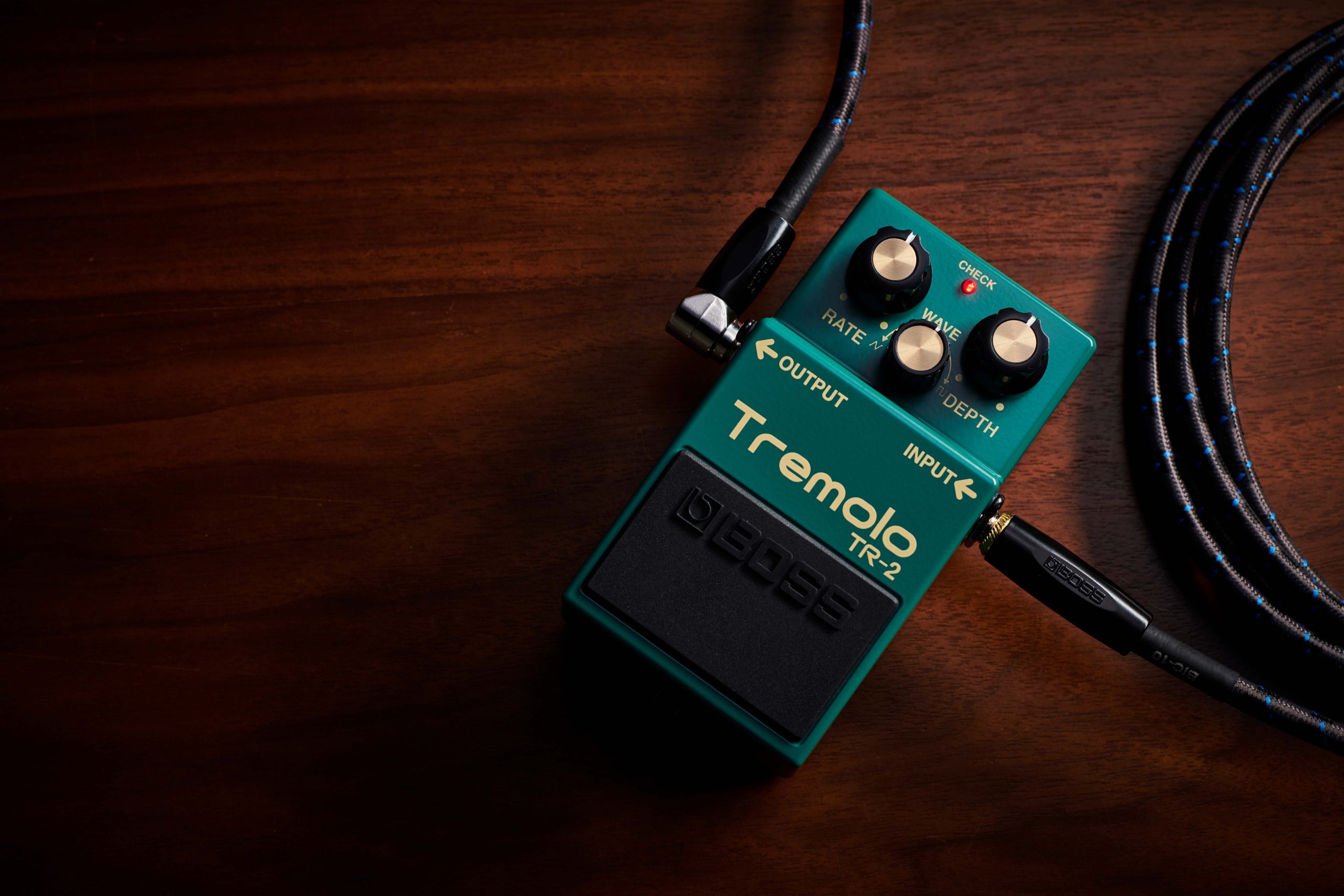
AL: My first BOSS pedal was the TU-3 Chromatic Tuner. I had a TR-2 Tremolo early on as well, which is a really cool pedal.
"It was just getting out there and playing live that really propelled our career".
Amy Love
Shock and Awe
Thinking back to your early days gigging around London, what was the reaction from audiences like, and what did those formative shows teach you?
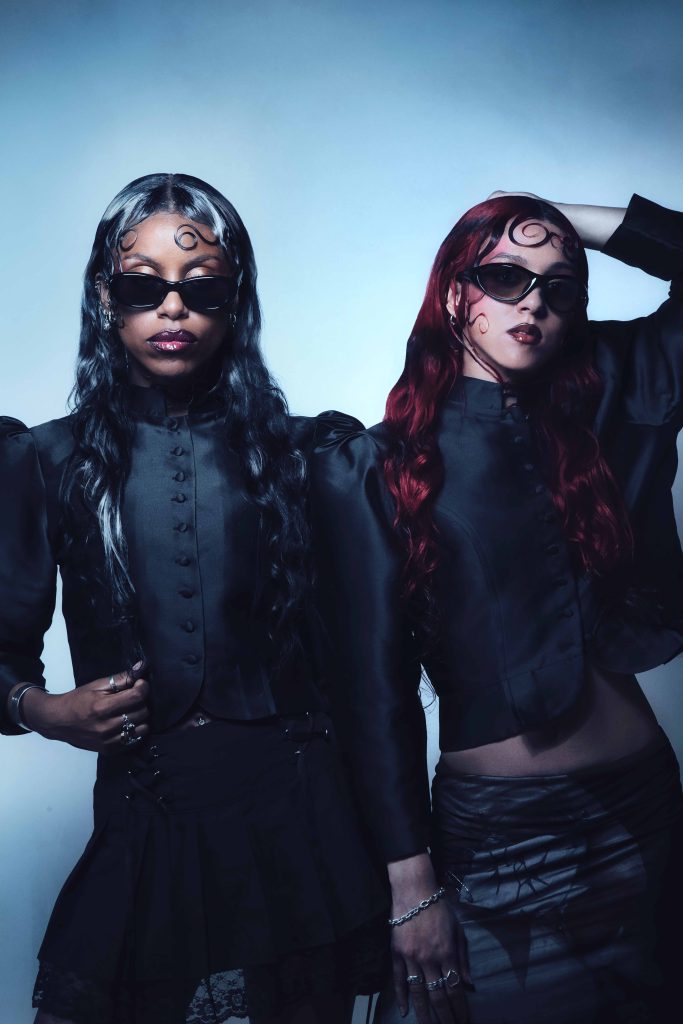
AL: The reaction was really, really positive. Before Nova Twins, when we didn’t have a name, we were just “Amy and Georgia.” We played an open mic night in Ravensbourne in South East London, using the house drummer. Even though there were only about 20 people there, they were cheering for an encore.
I remember feeling that people seemed quite shocked about us—these two young Black girls picking up their instruments and playing a big mix of music. They all stood up and were like, “More!” We thought, “Oh, this is a thing.”
The industry was quite slow off the mark with us. And in some ways, it feels like they still are. The UK loves indie, and we don‘t fit neatly into that. At the same time, rock music can be a bit niche, and they couldn’t really label us.
It was just getting out there and playing live that really propelled our career; that’s what spread the word between fans and promoters.
The Real Thing
Did you grow your audience the old-fashioned way, focusing on real gigs and community rather than chasing viral algorithms?
AL: Algorithms give us a headache. The old-fashioned way might be slower, but it’s long-lasting, and you get to know your community. It’s a tangible, real thing. It’s not based on hype, like algorithms. Algorithm hype is so empty. It’s a false currency. Doing it the old way worked for us, and we’re proud of that. It can take longer, but it’s worth it.
"All too often, people blow up on social media but can’t even sell out a small gig. It can be really confusing for musicians."
Amy Love
People are getting sick of trying to meet the virtually impossible challenge of controlling a random viral moment where your thing might blow up on TikTok. It’s not sustainable. If you’re making songs for TikTok, it’s quite possible people still don’t know much about you. All too often, people blow up on social media but can’t even sell out a small gig. It can be really confusing for musicians.
A lot of newer artists have realized that it isn’t sustainable—that they can’t make a living doing that. You might get lucky and get signed off the back of a viral moment, but that doesn’t mean it’s always going to work out in the long run. My advice would be to put in the real work.
GS: We were lucky because we started before the whole viral algorithm thing happened. We didn’t really have to choose between blowing up on social media and building a live community; we just knew that gigging was important to us.
We feel lucky because it would have been such a headache trying to balance two different careers. Trying to be the best live band you can be in the real world and focusing on making content are basically two different jobs. Both are very time-consuming.
Grind and Rise
What was the grind of those early UK gigs like?
GS: It felt like we did every grassroots venue in the UK. We’re still friends with many of the people we met along the way. We really wanted to improve as a live act and learn how to deal with things like amps breaking down, tripping over cables, and setting up on small stages.
I think you have to go through that grind and learn properly so you can take on more challenging gigs like festivals.
"Rock was so male-dominated, and we weren’t light enough for indie, so people didn’t know what to do with us."
Amy Love
What were some of the biggest challenges you faced earlier in your career, and how did you push through them?
AL: Getting people to understand where we were coming from was a big challenge. A lot of the time, people would see us and presume we would sound a certain way. Then they’d be shocked when they heard us. They were like, “Where do we playlist you? We can’t place you in rock.”
It was strange at first. Today, everyone cross-pollinates genres, but back then, as women doing what we did, people didn’t know how to market us. We weren’t hip-hop, but some people wanted us to lean more into that. Rock was so male-dominated, and we weren’t light enough for indie, so people didn’t know what to do with us.
That was a real challenge, but it taught us a lot and informed our decision-making. We experimented with different styles but decided to keep doing what we wanted. We wanted to make music our own way, in our own time, without seeking approval from others.
Artists often want to be liked. I mean, of course, artists want to be liked by their audience—otherwise you’re playing to no one. But we believe the audience finds the music, rather than begging to be liked.
The industry can often try to project its own ideas onto musicians before they’ve even blossomed. You’ll see these new artists with lots of excitement and energy, and music industry vultures circling around trying to monetize them.
"We concentrated on becoming the best musicians we could be, knowing we could change the stereotype."
Georgia SOuth
GS: Yeah, a lot of the time, they want to mold artists into something that’s already happened because they’ve seen it work before. Like, why do you want to see the same thing over and over again?
AL: Boring!
Breaking the Mold
Where do you feel you’ve been able to make a tangible difference in the music industry?
GS: When we came into the industry, we were super naïve. We were just two girls who wanted to be in a band. But we got a rude awakening when we realized there was no one like us around. We concentrated on becoming the best musicians we could be, knowing we could change the stereotype.
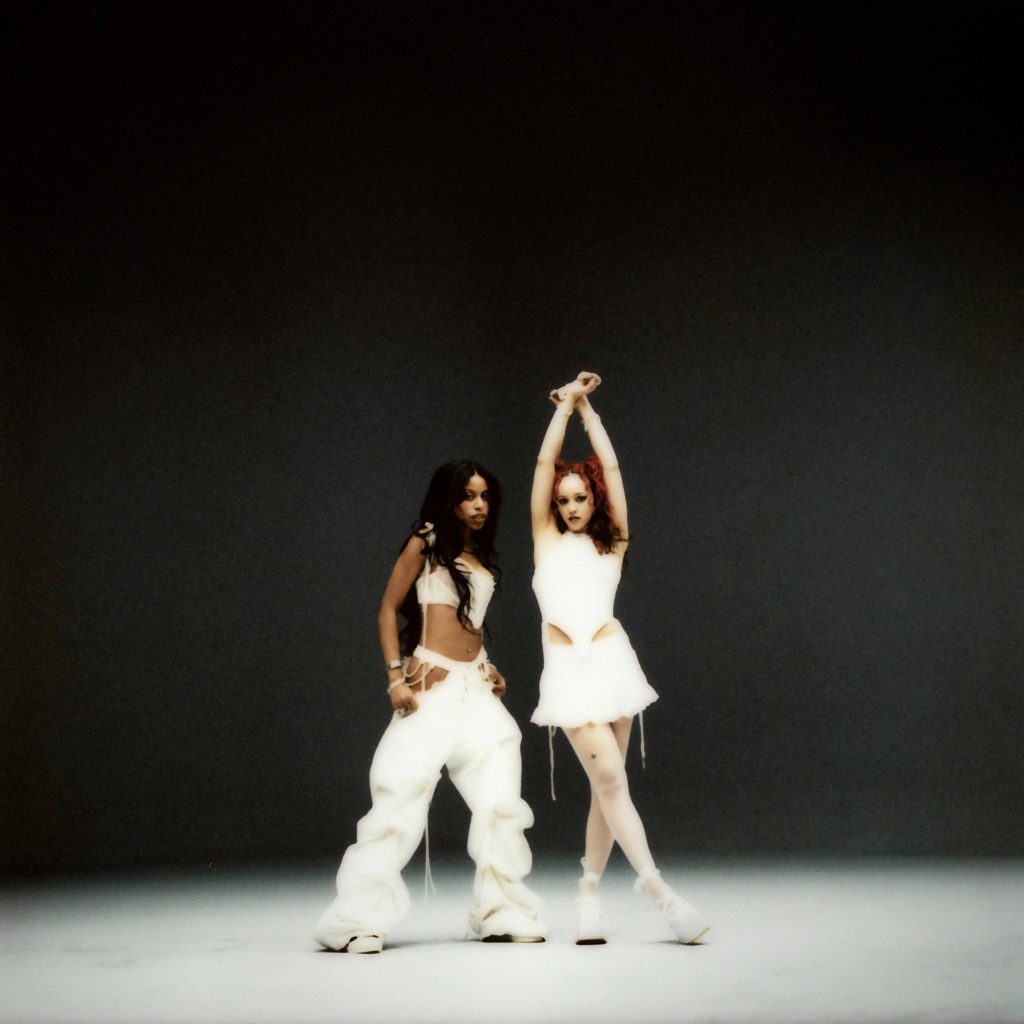
There were so many musicians like us who weren’t getting the exposure and representation they deserved. We always made a conscious effort to lift up other musicians in our community so they could get the same opportunities, whether that was starting up [2021’s Nova Twins Presents] Voices for the Unheard and interviewing bands all across the world, or campaigning for the Alternative category at the MOBO (Music of Black Origin) Awards.
We’re proud of the work we’ve done, but it’s a relay race; we’ve taken the baton from Skunk Anansie and X-Ray Spex. We feel like it’s our duty to keep handing over the baton. We want to celebrate art and goodness. Our shows are so welcoming and inclusive. You can come along and make a ton of friends while being your authentic self.
Full Circle
What’s fueling your creativity right now?
GS: Experimenting with new gear. We’ve been touring for the last few years, and this is the first time we’ve been home for longer than a month. It’s nice to be able to play and experiment with new sounds in our labs without a big project hanging over us.
When you’re being creative, it’s really important to be able to experiment without any stress. We know all about time limits and deadlines (we’ve had that for the last 10 years), but having the freedom to create is vital.
"It’s nice for us to develop as women in our unique way. To be able to keep growing is vital in this industry."
Amy Love
What’s next for Nova Twins, and how do you want the band to grow from here?
AL: We’ve been doing this for a long time now, and at this point, it’s come full circle. We want to make sure we’re still having fun making music. There was so much pressure with our last record, but we’re thankful we were able to do that, especially in this climate.
It’s about finding a balance between reaching for new goals and staying grounded in what we love doing most: making music. I think we’re getting better at that as we learn and grow.
It’s nice for us to develop as women in our unique way. To be able to keep growing is vital in this industry.